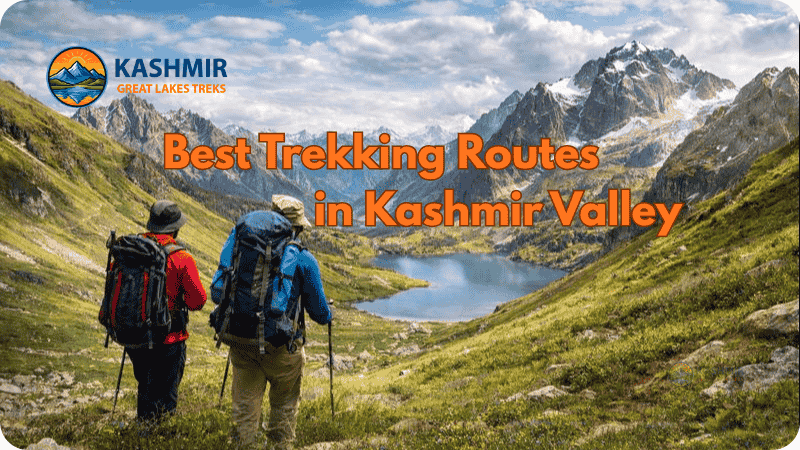
The Great Kashmir Lakes trek is widely regarded as one of India’s most spectacular high-altitude trekking experiences. This magnificent Kashmir Great Lakes adventure takes you through pristine alpine meadows, across challenging mountain passes, and alongside some of the most breathtaking lakes in Kashmir. Whether you’re a seasoned trekker or looking to challenge yourself with an unforgettable Himalayan experience, the KGL trek offers an unparalleled journey through nature’s masterpiece.
Understanding the Kashmir Great Lakes Trek
The Kashmir Great Lakes trek is an extraordinary odyssey through the heart of the Kashmir Himalayas. Also commonly referred to as the great lakes trek or KGL trek, this adventure spans approximately 72 kilometers over 7-8 days, taking you through some of the most remote and pristine landscapes in the Indian subcontinent.
What makes the Kashmir Great Lakes trek truly special is its diversity. Each day brings new terrain, from flower-carpeted meadows to rocky mountain passes, from gurgling streams to mirror-like alpine lakes. The great lakes trekking experience is not just about reaching destinations; it’s about immersing yourself in the raw, untouched beauty of the Kashmir Himalayas.
The Kashmir lake trek derives its name from the spectacular alpine lakes encountered along the route. The 7 lakes trek takes you past Vishansar, Krishansar, Gadsar, Satsar (actually a group of seven interconnected smaller lakes), Gangabal, and Nundkol, each offering its own unique character and charm.
Kashmir Great Lakes Trek Distance and Route Details
The Kashmir Great Lakes trek distance covers approximately 70-75 kilometers, depending on your exact starting and ending points. The trek typically begins from Sonamarg or Shitkadi and concludes at Naranag, though some variations exist.
Here’s a detailed breakdown of the great Kashmir lake trek route:
Day 1: Sonamarg to Nichnai Camp (11 km) The journey begins with a gentle ascent through pine forests and open meadows. You’ll cross wooden bridges over gushing streams as you make your way to Nichnai, situated at an elevation of approximately 11,500 feet.
Day 2: Nichnai to Vishansar Lake via Nichnai Pass (12 km) This day involves crossing the Nichnai Pass at 13,500 feet. The descent brings you to the stunning Vishansar Lake, the first of the magnificent Kashmir lakes on this trek. The deep blue waters surrounded by towering peaks create an unforgettable sight.
Day 3: Vishansar to Gadsar via Gadsar Pass (15 km) Perhaps the most challenging day, you’ll ascend to the Gadsar Pass at approximately 13,750 feet. The climb is steep but rewards you with panoramic views. The descent to Gadsar Lake, known as the “Lake of Flowers,” is equally spectacular.
Day 4: Gadsar to Satsar (12 km) A relatively moderate day takes you to Satsar, where you’ll camp beside one of seven interconnected lakes. This section showcases the diverse landscape of Kashmir trekking.
Day 5: Satsar to Gangabal via Zaj Pass (9 km) Cross the Zaj Pass and descend to the sacred twin lakes of Gangabal and Nundkol. These lakes hold religious significance and are surrounded by the imposing Harmukh peak.
Day 6: Gangabal to Naranag (13 km) The final day involves a long descent through forests and villages, gradually returning to civilization.
Kashmir Great Lakes Trek Best Time: When to Go
Choosing the right time is crucial for your lakes trek Kashmir experience. The Kashmir Great Lakes trek best time is typically from late June to mid-September, when the high mountain passes are accessible and the weather is most favorable for trekking in Kashmir.
July to August: Peak Season These months offer the most stable weather and fully bloomed meadows. The wildflowers are at their peak, transforming the landscapes into colorful carpets. However, this is also when the trek sees maximum footfall.
Late June and Early September: Shoulder Season These periods offer a more solitary experience with fewer trekkers. Late June might still have some snow on the passes, while early September brings the first hints of autumn colors.
What to Expect Weather-Wise:
- Daytime temperatures: 10-15°C (50-59°F)
- Nighttime temperatures: -5 to 5°C (23-41°F)
- Occasional afternoon showers in July and August
- Clear mornings ideal for photography
- Cold winds at high passes
For the best Kashmir Great Lakes trek photos, early morning and late evening golden hours provide magical lighting conditions.
The Magnificent Lakes: Heart of the Trek
Vishansar and Krishansar Lakes
These twin lakes are the first major highlights of the lake trek Kashmir. Vishansar, with its deep blue waters, is separated from Krishansar by a small ridge. Local legends say these lakes were created by the same saint, making them inseparable.
Gadsar Lake
Known as the “Lake of Flowers,” Gadsar is surrounded by alpine blooms during the trekking season. The approach from Gadsar Pass offers spectacular aerial views of this turquoise jewel.
Satsar Lakes
The Satsar complex consists of seven interconnected lakes of varying sizes. Camping here feels like being in a water wonderland, with lakes visible in multiple directions.
Gangabal and Nundkol
These twin lakes are considered sacred by both Hindus and Muslims. Gangabal, the larger of the two, reflects the imposing Harmukh peak (16,870 feet), creating picture-perfect reflections.
Physical Preparation and Fitness Requirements
The great Kashmir lakes trek is graded as moderate to challenging. While it doesn’t require technical climbing skills, good cardiovascular fitness and mental endurance are essential.
Training Regimen (Start 8-12 weeks before):
- Cardiovascular exercises: Running, cycling, or swimming 4-5 times per week
- Build up to running 5-7 kilometers continuously
- Practice uphill walking with a loaded backpack (8-10 kg)
- Strengthen leg muscles with squats, lunges, and step-ups
- Core strengthening exercises for stability
- Weekend practice hikes on progressively difficult terrain
Altitude Acclimatization: Since the trek reaches altitudes above 13,000 feet, proper acclimatization is crucial. Spending a day or two in Srinagar (5,200 feet) before starting helps. During the trek, ascend gradually and stay well-hydrated.
Essential Gear and Packing List
Proper gear can make the difference between an enjoyable and a miserable Kashmir trekking experience.
Clothing:
- Base layers (thermal inner wear)
- Trekking pants (2-3 pairs)
- Fleece jacket or down jacket
- Waterproof and windproof outer shell
- Woolen socks (4-5 pairs)
- Gloves and warm hat
- Sun hat or cap
- Quick-dry t-shirts (3-4)
Footwear:
- Broken-in trekking boots with good ankle support
- Camp shoes or sandals
- Gaiters for snow or muddy sections
Equipment:
- Backpack (50-60 liters)
- Sleeping bag (rated to -10°C)
- Trekking poles
- Headlamp with extra batteries
- Water bottles (2 liters capacity)
- Sunglasses with UV protection
Personal Items:
- Sunscreen (SPF 50+)
- Lip balm with SPF
- Personal hygiene items
- First aid kit and personal medications
- Toilet paper and trowel
- Camera with extra batteries and memory cards
Permits, Regulations, and Logistics
Trekking in Kashmir requires proper permits and adherence to regulations:
Permits: All trekkers need to register with local authorities. Reputable trekking operators handle this paperwork, which includes:
- Tourist registration
- Forest department permits
- Inner line permits (if applicable)
Choosing a Trekking Operator: Given security considerations and permit requirements, it’s highly recommended to trek with a registered operator. They provide:
- Experienced guides familiar with the route
- Camping equipment and meals
- Safety equipment and first aid
- Porter services
- Emergency evacuation support
Cost Considerations: The great lakes trekking typically costs between ₹15,000-25,000 per person, including:
- All meals during the trek
- Camping equipment
- Guide and support staff
- Permits and registrations
- Transportation from Srinagar to trek start and back
Capturing the Perfect Kashmir Great Lakes Trek Photos
The stunning landscapes make this trek a photographer’s paradise. Here are tips for capturing memorable Kashmir Great Lakes trek photos:
Photography Locations:
- Vishansar Lake with sunrise reflections
- Gadsar Pass panoramas
- Gadsar Lake with surrounding flower meadows
- Satsar’s interconnected lakes
- Harmukh peak reflected in Gangabal
Technical Tips:
- Use a wide-angle lens (16-35mm) for landscapes
- Carry a telephoto lens (70-200mm) for distant peaks
- Polarizing filters enhance lake colors
- Shoot in RAW format for better post-processing
- Golden hour (sunrise/sunset) provides the best light
- Use a tripod for long exposures and low-light shots
- Protect gear from moisture and dust
Drone Photography: Check current regulations regarding drone usage in Kashmir. In some areas, drones may be restricted for security reasons.
Comparing Other Treks in Jammu and Kashmir
While the great Kashmir lake trek is exceptional, several other treks in Jammu and Kashmir offer unique experiences:
Tarsar Marsar Trek
The Tarsar Marsar trek is another spectacular option featuring two stunning alpine lakes. Slightly shorter than the KGL trek (approximately 5-6 days), it’s perfect for those with limited time. Tarsar Lake’s golden hue and Marsar’s pristine blue waters create contrasting beauty.
Key Features:
- Duration: 5-6 days
- Difficulty: Moderate
- Maximum altitude: 13,500 feet
- Best time: June to September
- Highlights: Two contrasting alpine lakes, Aru Valley meadows
Tulian Lake Trek
The Tulian Lake trek is a shorter, more accessible option for beginners. Starting from Pahalgam, this 3-4 day trek leads to a beautiful glacial lake surrounded by snow-capped peaks.
Key Features:
- Duration: 3-4 days
- Difficulty: Easy to moderate
- Maximum altitude: 11,600 feet
- Best time: May to October
- Highlights: Glacial lake, proximity to Pahalgam, beginner-friendly
Marchoi Trek
The Marchoi trek takes you through pristine meadows and offers stunning views of the Pir Panjal range. Less crowded than the Great Lakes trek, it’s perfect for those seeking solitude.
Key Features:
- Duration: 4-5 days
- Difficulty: Moderate
- Maximum altitude: 13,200 feet
- Best time: June to September
- Highlights: Untouched meadows, fewer trekkers, local shepherd culture
Nafran Valley Trek
The Nafran Valley trek is one of Kashmir’s hidden gems, offering spectacular views of Harmukh peak and pristine valleys with minimal human presence.
Key Features:
- Duration: 5-6 days
- Difficulty: Moderate to challenging
- Maximum altitude: 13,500 feet
- Best time: July to September
- Highlights: Remote location, Harmukh views, virgin forests
Warwan Valley Trek
The Warwan Valley trek is an extended adventure that takes you through one of Kashmir’s most remote and beautiful valleys, connecting Pahalgam to Panikhar.
Key Features:
- Duration: 8-10 days
- Difficulty: Challenging
- Maximum altitude: 14,000 feet
- Best time: July to September
- Highlights: Remote villages, cultural immersion, Margan Top pass
Brammah Valley Trek
Key Features:
- Duration: 6-7 days
- Difficulty: Challenging
- Maximum altitude: 14,500 feet
- Best time: July to September
- Highlights: Brammah peak views, challenging terrain, pristine wilderness
The Brammah Valley trek offers close-up views of the magnificent Brammah massif, taking you through rugged terrain and traditional shepherd routes.
Silent Meadows Trek
The Silent Meadows trek lives up to its name, offering tranquil camping spots amidst vast meadows with minimal trekker traffic.
Key Features:
- Duration: 4-5 days
- Difficulty: Easy to moderate
- Maximum altitude: 12,000 feet
- Best time: June to September
- Highlights: Peaceful meadows, beginner-friendly, beautiful campsites
Tosamaidan Trek
The Tosamaidan trek takes you to vast high-altitude meadows that once served as military artillery ranges but are now open for trekking, offering unique historical context alongside natural beauty.
Key Features:
- Duration: 3-4 days
- Difficulty: Easy to moderate
- Maximum altitude: 12,000 feet
- Best time: June to September
- Highlights: Expansive meadows, unique history, easy accessibility
Pir Panjal Lakes Trek
The Pir Panjal Lakes trek is a lesser-known gem that takes you to multiple alpine lakes in the Pir Panjal range, offering solitude and pristine beauty.
Key Features:
- Duration: 5-6 days
- Difficulty: Moderate
- Maximum altitude: 13,000 feet
- Best time: July to September
- Highlights: Multiple lakes, fewer crowds, Pir Panjal views
Safety Considerations and Risk Management
Kashmir trekking at high altitudes requires awareness of potential risks:
Altitude Sickness:
- Recognize symptoms: headache, nausea, dizziness, fatigue
- Ascend gradually (no more than 1,000 feet per day above 10,000 feet)
- Stay hydrated (3-4 liters of water daily)
- Avoid alcohol and sleeping pills
- Descend immediately if symptoms worsen
Weather Hazards:
- Afternoon thunderstorms are common in July-August
- Start early to reach camp before weather deteriorates
- Carry rain gear at all times
- Be prepared for temperature drops
River Crossings:
- Some sections involve stream crossings
- Water levels are highest in afternoon (glacial melt)
- Use trekking poles for stability
- Cross in groups for safety
Wildlife: While rare, bears and snow leopards inhabit these regions:
- Make noise while trekking
- Keep food sealed and stored properly
- Never approach wildlife
Communication:
- Mobile coverage is virtually non-existent
- Satellite phones are recommended for emergencies
- Inform someone of your itinerary
- Trekking operators maintain emergency communication
Cultural Aspects and Local Interactions
The lakes in Kashmir region is home to Gujjar and Bakarwal pastoral communities who bring their livestock to high pastures during summer.
Cultural Highlights:
- Shepherd settlements (dhokas) along the route
- Traditional lifestyle demonstrations
- Local stories and legends about the lakes
- Sacred significance of Gangabal Lake
- Seasonal migration patterns
Respectful Interaction:
- Seek permission before photographing people
- Respect religious sites and customs
- Support local economy by hiring local guides and porters
- Learn basic Kashmiri or Urdu phrases
Environmental Responsibility and Sustainable Trekking
The pristine beauty of Kashmir lakes depends on responsible trekking practices:
Leave No Trace Principles:
- Pack out all waste, including biodegradable items
- Use established campsites only
- Stay on designated trails to prevent erosion
- Minimize campfire impact (use stoves instead)
- Dispose of human waste properly (cat holes 6-8 inches deep, 200 feet from water)
Water Conservation:
- Avoid using soap directly in lakes or streams
- Carry water 200 feet away from sources for washing
- Use biodegradable soap sparingly
Wildlife Protection:
- Observe animals from distance
- Don’t feed wildlife
- Secure food to prevent attracting animals
Supporting Local Communities:
- Hire local guides and porters
- Buy supplies from local shops
- Respect fair wages
- Learn about and respect local customs
Health and Nutrition on the Trek
Proper nutrition and hydration are crucial for completing the great lakes trek successfully:
Hydration:
- Drink 3-4 liters of water daily
- Start hydrating 2-3 days before the trek
- Carry water purification tablets or filters
- Monitor urine color (should be light yellow)
Nutrition:
- Consume 3,000-4,000 calories per day
- Balance carbohydrates, proteins, and healthy fats
- Eat frequent small snacks
- Bring energy bars, nuts, and dried fruits
Common Ailments and Treatment:
- Blisters: Treat early with blister pads
- Muscle soreness: Stretch daily, use pain relievers
- Upset stomach: Carry anti-diarrheal medication
- Sunburn: Apply SPF 50+ sunscreen regularly
- Dehydration: Drink electrolyte solutions
Post-Trek Recovery and Memories
After completing your Kashmir Great Lakes trek, proper recovery ensures you return home healthy:
Physical Recovery:
- Rest for 2-3 days
- Gentle stretching and yoga
- Rehydrate thoroughly
- Consume protein-rich meals
- Treat any minor injuries
Preserving Memories:
- Organize and edit your Kashmir Great Lakes trek photos
- Journal about your experiences
- Share stories with fellow trekkers
- Create a photo album or blog
- Plan your next Himalayan adventure
Conclusion: Why the Great Kashmir Lakes Trek Should Be on Your Bucket List
The great Kashmir lakes trek offers an unparalleled combination of natural beauty, physical challenge, and spiritual rejuvenation. From the moment you set foot on the trail until you return to civilization, every step reveals new wonders—whether it’s the turquoise waters of Gadsar Lake, the panoramic views from Gadsar Pass, or the sacred tranquility of Gangabal.
While there are many exceptional treks in Jammu and Kashmir—from the Tarsar Marsar trek to the remote Warwan Valley trek, from the accessible Tulian Lake trek to the challenging Brammah Valley trek, and from the peaceful Silent Meadows trek to the historic Tosamaidan trek—the Kashmir Great Lakes trek stands out for its perfect blend of accessibility, diversity, and breathtaking scenery.
The 7 lakes trek isn’t just about ticking off destinations; it’s about immersing yourself in one of the world’s most beautiful mountain landscapes. It’s about challenging yourself physically while finding peace mentally. It’s about connecting with nature in its purest form and creating memories that last a lifetime.
Whether you’re an experienced trekker or looking to push your boundaries, planning your KGL trek for the Kashmir Great Lakes trek best time between July and September will reward you with an adventure that exceeds all expectations. The Kashmir lake trek awaits—are you ready to answer the call of the mountains?
Start planning your great lakes trekking adventure today, and discover why this trek continues to be ranked among the best high-altitude treks in the entire Himalayan range!