Introduction: Why Kashmir Valley Is a Trekker’s Paradise
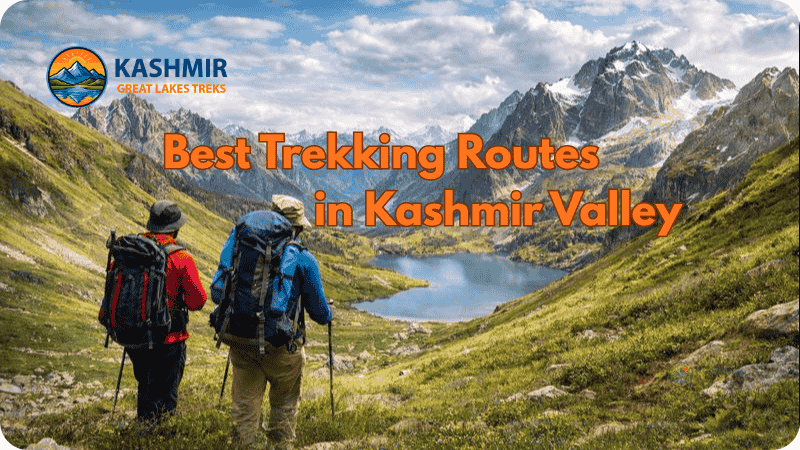
Kashmir Valley is hands down one of the most stunning places to trek in India. Picture this: you’re walking through dense pine forests one moment, and within a couple of hours, you’re standing in massive alpine meadows with snow-capped peaks all around. The high-altitude lakes here are insanely beautiful—they literally reflect the mountains like giant mirrors. These best trekking routes in Kashmir Valley aren’t just about the scenery though. You’re also walking on ancient shepherd trails that locals have used for generations. I’ve done a few treks here over the summers, and honestly, each one showed me something completely different about Kashmir’s backcountry. Whether you’re eyeing the famous Kashmir Great Lakes circuit or want something more off-the-beaten-path, trekking in Kashmir gives you that raw Himalayan experience without going too far from Srinagar. It’s accessible but still wild.
Trekking in Kashmir Valley: What Makes These Routes Special?
Here’s what sets Kashmir apart: the trails aren’t overrun with tourists yet. You’ll probably run into more shepherds than other trekkers, which is pretty cool if you ask me. The variety is crazy too—one day you’re in thick forests, the next you’re basically in a high-altitude desert. And those alpine lakes? They’re unreal shades of blue. You also get this authentic cultural vibe because you’re passing through areas where Gujjar and Bakarwal families actually live during summer months with their herds. It’s not staged or touristy—it’s just their regular life. The seasons totally change the game here. Summer brings wildflowers everywhere, making the meadows look like nature’s carpet. Come autumn, everything turns golden and amber, plus the air gets super clear so your photos will be next level.
Top Trekking Routes in Kashmir Valley
Kashmir Great Lakes Trek
This is the big one. Seriously, if you’re talking about India’s most beautiful high-altitude treks, this is always in the conversation. The Kashmir Great Lakes trek route is about 70 km and takes a week or so to complete. You’ll hit around 13,750 feet at Gadsar Pass, so yeah, you need to be in decent shape. But what you get is access to seven alpine lakes—Vishansar, Krishansar, Gadsar, Satsar (which is actually seven small lakes connected), and Gangabal. Each one looks totally different.
The trail takes you over several mountain passes with ridiculous views, down into green meadows where you’ll see shepherd camps, and along ridges where you can see mountains in every direction. This isn’t a beginner trek—you should have some high-altitude experience under your belt and be ready to spend a full week camping in remote areas.
What makes this the best multi-day trek in Kashmir? Simple: every single day is different. You never get bored. One day you’re crossing a high pass, the next you’re walking beside a pristine lake, then you’re camping in a meadow full of flowers. And these lakes are seriously remote—no roads anywhere near them. Camping beside them at night, with stars everywhere, is something you won’t forget.
Tarsar Marsar Trek
If the Great Lakes trek sounds intense, check out Tarsar Marsar trek route instead. It’s more doable for most people—takes about 5-6 days and tops out around 13,000 feet. The whole trek revolves around these two gorgeous twin lakes in separate valleys. You get nice meadow walks, some river crossings on wooden bridges, pine forests, and plenty of spots to camp where herders are chilling with their animals.
This is perfect if it’s your first Kashmir trek. You still get the alpine lake experience without needing to be a super athlete. The fitness requirement is reasonable—you just need to be able to walk for several hours a day with a pack. The lakes themselves are the highlight: Tarsar is this emerald green color while Marsar is deeper blue. On calm mornings they reflect the mountains perfectly. And because it’s shorter, you can do this even if you only have a week of vacation. You still get the real Kashmir trekking experience without the mega-commitment.
Warwan Valley Trek
Okay, this is for serious trekkers only. The Warwan Valley trek route connects Kashmir Valley with Kishtwar and takes 10-12 days. We’re talking multiple passes over 14,000 feet, full camping setup needed, and you better have done high-altitude treks before. This isn’t something you jump into casually. Warwan Valley itself is one of the most remote spots in Kashmir—it’s barely visited, which means it’s completely untouched.
The scenery is wild. You see hanging glaciers, narrow gorges, and pass through villages where they barely have modern stuff. This trek tests you physically and mentally. Nearly two weeks without road access, dealing with altitude, unpredictable weather—it’s not a joke. But if you’re experienced and ready for an adventure, this is one of India’s true expedition routes. The solitude and pristine wilderness you get here is rare these days. Plus there’s serious satisfaction in finishing something this challenging.
Nafran Valley Trek
Nafran Valley trek is like Kashmir’s hidden gem. It’s not as famous as Great Lakes, but the beauty is right there. Takes about six days, goes up to around 12,500 feet, and the difficulty is moderate. What’s special here are the meadows—they’re massive. Like, you’re walking across these huge green expanses with dramatic mountain ridges on the sides. And because fewer people come here, you might camp for nights without seeing another trekking group.
This is perfect if you want peace and quiet. I love this trek for photography because the landscapes are so open and there’s no crowd. You can actually sit and watch wildlife—marmots, different birds—without a bunch of people around. The shepherd camps scattered across the grasslands with mountains behind them are classic Kashmir vibes. It’s not as “famous” as some other treks, but honestly? The scenery is just as good, and you get way more solitude. If you’re the type who prefers quiet over social trekking experiences, put this on your list.
Marchoi Trek (Sonamarg)
Need something shorter? Marchoi trek Kashmir is your answer. It’s only 10-12 km round trip from Sonamarg, takes 1-2 days, and it’s perfect for beginners or if you just have a weekend. Don’t let the short distance fool you though—you still reach around 12,000 feet and see classic Kashmir mountain scenery. Snow bridges, the Sind River rushing by, peaks up close—it’s all there.
Since it starts from Sonamarg which is easy to reach, the logistics are simple. The trail is pretty clear, going through meadows and along glacier-fed streams. You can camp overnight or just do it as a long day hike. This is great for testing if you like high-altitude trekking before committing to a week-long trip. Or if you’re short on time but still want to get into Kashmir’s alpine zone. The views are legit despite it being quick, and everything’s easier to organize compared to the remote multi-day treks.
Best Time to Explore Trekking Routes in Kashmir Valley
The best time for trekking in Kashmir Valley is June through September. Each month has its own vibe. June is when things start opening up—snow’s melting from lower areas, though some passes might still have snow. July and August are peak season. Trails are fully clear, wildflowers are everywhere, but you might get occasional rain.
Personally? September is my favorite. The autumn colors are incredible, weather’s more stable with clear skies, and temperatures are perfect for hiking—not too hot, not freezing. Plus visibility is amazing for photos. Just know that high-altitude lakes stay frozen until mid-June usually, so plan accordingly if that’s what you want to see.
Always check weather forecasts before you go. Mountain weather changes fast, and even in summer, nights get cold at camping elevations—we’re talking near freezing. Be ready for that.
Difficulty Levels of Kashmir Trekking Routes
Kashmir has treks for everyone, but you need to be honest with yourself about your fitness. Beginner stuff like Marchoi is shorter with moderate climbs—if you can walk for several hours and have basic fitness, you’re good. Moderate treks like Tarsar Marsar need better endurance since you’re trekking multiple days in a row, sleeping in tents, and hitting 12,000-13,000 feet.
Difficult routes (Kashmir Great Lakes, definitely Warwan Valley) are serious business. You need proven high-altitude experience, strong cardio for long days covering 15+ km, and mental toughness for tough passes and weather.
Here’s the thing about altitude: it can mess with anyone over 10,000 feet, no matter how fit you are. That’s why gradual acclimatization matters. If you have heart problems, bad asthma, or other major health stuff, talk to a doctor first and maybe avoid routes over 12,000 feet. Age doesn’t automatically disqualify you, but be real about your current fitness and past trekking experience. Pick something that challenges you without being dangerous.
Safety, Permits And Local Guidelines
Kashmir trek safety starts with permits. Most routes need permits from local administration, and honestly, it’s way easier to go through registered trek operators who handle all that. These aren’t just travel agents—they know the current rules, security stuff specific to the region, and have connections with local communities. They understand weather patterns that affect safety too.
Going solo is technically possible on some treks but really not recommended unless you’ve done serious research on current trekking permits Kashmir requirements and security updates. Local guides are worth their weight in gold. They know when weather’s turning bad, where it’s safe to camp, and how to interact respectfully when passing shepherd areas. If something goes wrong, they know evacuation routes and have communication equipment.
Never trek alone in Kashmir’s remote valleys. Always tell someone your exact plans. Get travel insurance that covers high-altitude rescue—this isn’t optional. The region has political sensitivities, so following official guidance isn’t just about your safety, it’s about respecting protocols that keep these areas open for trekkers.
How to Prepare for Trekking in Kashmir Valley
Start training 6-8 weeks before your trek. Focus on cardio—hiking, running, cycling, whatever gets your heart rate up. Do leg exercises too. Practice carrying a loaded backpack on longer and longer walks so your body gets used to it.
For gear, think layers. Temperatures change a lot, so you need clothes you can add or remove. Good waterproof stuff is essential. Break in your trekking boots before the trip—blisters suck. Get a sleeping bag rated for near-freezing temps.
Acclimatization is huge. If you can, spend a day or two in Srinagar or Sonamarg before starting. Drink tons of water during the trek. Don’t rush altitude gains—go slow and steady. Pack energy snacks, first aid basics, and any personal meds you need. Keep your pack weight reasonable by choosing gear carefully.
Mental prep matters too. Facilities are basic. You’ll be uncomfortable sometimes—that’s part of it. Stay flexible because weather might force plan changes. That’s all normal.
Final Thoughts: Choosing the Right Trekking Route in Kashmir
Pick a trek that matches your actual abilities right now, not what you wish you could do. If you’re new to high altitude, don’t jump straight into Kashmir Great Lakes. Build up experience first with shorter treks. Responsible trekking means leaving no trace, respecting locals and their animals, and listening to your guide about weather and safety.
Kashmir’s treks are truly special when you approach them with proper prep and realistic expectations. Whether you do a weekend Marchoi trip or go all-in on Warwan Valley, these trails give you experiences that stick with you forever. Do your research, pick operators with good safety records, and build in time for acclimatization and rest. The mountains reward good planning with memories that make every step worth it.