
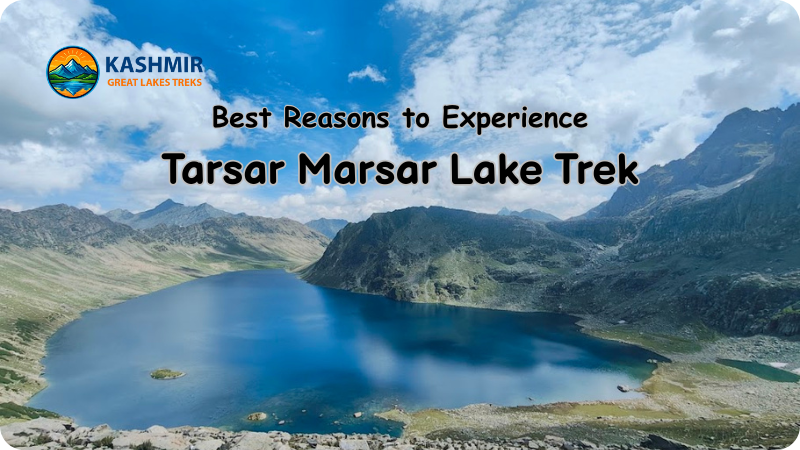
The Tarsar Marsar Trek is one of Kashmir’s most enchanting and underrated alpine adventures, offering an intimate encounter with two of the most beautiful high-altitude lakes in the Indian Himalayas. Often overshadowed by its more famous cousin, the Kashmir Great Lakes Trek, Tarsar Marsar provides a more secluded, pristine, and equally spectacular trekking experience. This journey through the Lidder Valley takes you deep into Kashmir’s wilderness, where twin alpine lakes gleam like emeralds set in a crown of snow-capped peaks. Here are the most compelling reasons why the Tarsar Marsar Trek deserves a place on every mountain lover’s bucket list.
1. Discover Two Jewel-Like Alpine Lakes
Tarsar Lake: The Emerald Beauty
Tarsar Lake is often described as one of the most beautiful alpine lakes in the entire Himalayan range. The name “Tarsar” is believed to derive from the local language, meaning “the lake that reflects stars,” though some sources suggest it means “floating lake.” Whatever its etymological origins, the lake lives up to its poetic name with stunning emerald-green waters that shift through various shades of turquoise and jade depending on the light and season.
Set at approximately 12,450 feet, Tarsar is a medium-sized alpine lake surrounded by gently sloping meadows that rise to rocky ridges and snow-covered peaks. The lake’s setting is almost impossibly picturesque—imagine a perfect oval of crystal-clear water, its surface so still it creates mirror-like reflections of the surrounding mountains. During summer, wildflowers carpet the meadows around the lake, adding splashes of purple, yellow, and white to the dominant greens and blues.
What makes Tarsar particularly special is its accessibility combined with its pristine condition. Unlike some alpine lakes that require extremely difficult approaches or suffer from over-tourism, Tarsar maintains its untouched quality while being reachable by moderately fit trekkers. The lake is large enough to feel expansive and majestic, yet intimate enough that you can walk its shores and appreciate every angle of its beauty.
Marsar Lake: The Desolate Beauty
While Tarsar captivates with its lush surroundings and vibrant colors, Marsar Lake presents an entirely different character—stark, remote, and hauntingly beautiful. Located at approximately 13,100 feet, Marsar sits in a more rugged, rocky basin that feels more isolated and wild than its twin.
The approach to Marsar involves crossing a challenging ridge from Tarsar, and this added difficulty means fewer trekkers make the journey. Those who do are rewarded with a lake that embodies the raw power and austere beauty of high-altitude Himalayan landscapes. Marsar’s waters are darker and deeper than Tarsar’s, surrounded by rocky moraines, snowfields, and steep mountain walls. The lake has a mysterious, almost otherworldly quality—it feels ancient, untouched, and sacred.
The contrast between the two lakes is remarkable. Tarsar is welcoming and pastoral; Marsar is severe and primal. Experiencing both lakes on a single trek provides a complete spectrum of alpine lake aesthetics, from the gentle to the dramatic, from the accessible to the remote.
The Twin Lake Experience
What makes this trek particularly special is the twin lake concept. Rather than visiting a single destination, you experience two distinct lakes, each with its own character, challenge level, and beauty. This creates a more varied and interesting trekking narrative. The journey to Tarsar builds anticipation, the time spent at Tarsar provides enjoyment and acclimatization, and the push to Marsar offers additional adventure and reward for those willing to go the extra distance.
Many trekkers find that having two lake destinations creates natural goals and milestones throughout the trek, maintaining excitement and motivation. The twin lakes also provide insurance against disappointment—if weather obscures views at one lake, you have another opportunity at the second.
2. Experience Unmatched Solitude and Serenity
Off the Beaten Path
One of the greatest appeals of the Tarsar Marsar Trek is its relative obscurity compared to more popular Kashmir treks. While the Kashmir Great Lakes Trek sees hundreds of trekkers each season, Tarsar Marsar attracts far fewer visitors despite offering comparable or even superior beauty in some respects.
This lower traffic means you’ll encounter fewer people on the trail, camp in less crowded locations, and experience the mountains with minimal human presence beyond your own group and occasional shepherd settlements. The sense of having these magnificent landscapes largely to yourself enhances the wilderness experience immeasurably.
For those seeking solitude and a genuine escape from crowds, Tarsar Marsar delivers perfectly. You can spend hours at the lakeside without encountering other groups, walk through meadows in complete silence except for wind and bird calls, and experience the mountains as they were before mass tourism—wild, pristine, and wonderfully empty.
Meditative Wilderness
The relative isolation of Tarsar Marsar creates ideal conditions for meditation, reflection, and mental restoration. The trek’s pace is generally more relaxed than some busier routes, allowing time to absorb the environment fully. Days can be spent simply sitting by the lake, watching light and shadow play across the mountains, or walking slowly through meadows with no pressure to rush or compete with crowds.
This meditative quality makes Tarsar Marsar particularly appealing for those seeking not just adventure but also inner peace and perspective. The mountains offer space for thoughts to settle, for stress to dissolve, and for a deeper connection with both nature and oneself to emerge.
3. Traverse Kashmir’s Most Beautiful Meadows
The Lidderwat Meadows
The trek passes through some of Kashmir’s most spectacular alpine meadows, with the Lidderwat Valley being particularly outstanding. These vast grasslands, locally called “margs,” stretch for miles, creating landscapes that seem to belong more to fantasy literature than earthly geography.
During the trekking season (June to September), these meadows transform into botanical wonderlands. Wildflowers bloom in incredible profusion—blue poppies, primulas, potentillas, edelweiss, forget-me-nots, and countless other species create a living tapestry of color. The floral displays vary throughout the season, with different species dominating at different times, meaning the meadows look different in June than in August or September.
The meadows aren’t flat expanses but rolling, undulating grasslands that rise and fall with the mountain contours. This creates constantly changing perspectives as you walk—each rise reveals new vistas, each valley provides different views. The sense of space and freedom in these meadows is extraordinary, offering a trekking experience that feels both gentle and grand.
Pastoral Paradise
The meadows serve as summer grazing grounds for Gujjar and Bakarwal shepherd communities who bring their livestock to these high pastures. The presence of grazing horses, sheep, and goats adds to the pastoral character of the landscape. Watching these animals spread across vast meadows, with their bells creating gentle music in the mountain air, enhances the idyllic quality of the environment.
The shepherds’ temporary settlements dot the meadows, and interactions with these communities provide cultural enrichment. Their knowledge of the mountains, traditional lifestyle, and warm hospitality create memorable human connections in this remote wilderness.
4. Ideal Trek for First-Time Himalayan Trekkers
Moderate Difficulty with Manageable Challenges
The Tarsar Marsar Trek occupies a perfect middle ground in terms of difficulty—challenging enough to feel like a genuine achievement but accessible enough for reasonably fit first-time high-altitude trekkers. The altitude gains are gradual, the daily distances manageable (typically 6-10 kilometers), and the technical difficulty minimal (no climbing or dangerous exposures).
The trek typically takes 5-7 days depending on the itinerary, with the highest point being Marsar Lake at around 13,100 feet. This altitude is significant enough to provide a high-altitude experience but low enough that altitude sickness risks are manageable with proper acclimatization. The gradual ascent profile built into most itineraries allows bodies to adjust naturally to elevation.
Building Confidence and Skills
For first-time Himalayan trekkers, Tarsar Marsar provides an excellent learning environment. You’ll develop essential mountain skills—pacing yourself at altitude, managing cold weather camping, navigating varied terrain, and understanding your physical limits—without being overwhelmed by extreme conditions or technical challenges.
Successfully completing this trek builds tremendous confidence for future mountain adventures. Many trekkers find that Tarsar Marsar awakens a passion for Himalayan trekking and serves as a gateway to more challenging routes. The sense of accomplishment derived from reaching these remote lakes and camping in high-altitude wilderness creates momentum for continued mountain exploration.
5. Witness Spectacular Sunrise and Sunset at High Altitude
Golden Hour Magic at Tarsar
One of the most magical aspects of the Tarsar Marsar Trek is the opportunity to experience multiple sunrises and sunsets at high altitude beside pristine alpine lakes. The quality of light in these mountains during golden hours is simply extraordinary.
Sunrise at Tarsar Lake is particularly memorable. The first light touches the surrounding peaks, painting them in shades of pink, orange, and gold while the lake below remains in shadow. As light gradually descends the mountainsides, it finally reaches the water, transforming the emerald lake into a shimmering mirror of molten gold. The air is crisp and still, the silence profound, and the beauty overwhelming.
Sunsets offer equally spectacular displays. As the sun lowers toward the western ridges, it casts long shadows across the meadows, illuminates the peaks in warm light, and creates stunning reflections on the lake’s surface. The colors shift through a spectrum of warm tones before the blue hour brings cooler purples and deep blues. Stars begin appearing while some light still lingers, creating a magical transition from day to night.
Photographic Paradise
For photographers, these golden hours at Tarsar provide endless opportunities. The combination of pristine water reflections, dramatic mountain backdrops, perfect lighting, and minimal human presence creates conditions that photographers dream about. Even smartphone cameras capture stunning images during these times, while serious photographers can work extensively with the available light to create portfolio-worthy work.
The changing seasons also affect the quality and character of light, with late summer offering warmer tones and clearer atmospheres, while early season light has a cooler, crisper quality enhanced by lingering snow.
6. Experience Authentic Kashmiri Shepherd Culture
Living Traditions of the Gujjars and Bakarwals
The Tarsar Marsar region is home to Gujjar and Bakarwal nomadic shepherd communities who practice traditional transhumance—seasonal migration between lowland winter pastures and highland summer grazing areas. Encountering these communities provides one of the trek’s richest cultural experiences.
These shepherds maintain lifestyles that have changed little over centuries. They live in temporary settlements made from simple materials, tend their flocks with skills passed down through generations, and possess intimate knowledge of the mountain environment. Their children grow up in these high meadows during summer months, learning traditional ways while also increasingly accessing modern education.
Warm Hospitality in Remote Mountains
Despite their remote lifestyle, the shepherd communities are remarkably hospitable. It’s common for trekkers to be invited for tea (kahwa, the traditional Kashmiri green tea with spices), offered fresh yogurt or milk, and welcomed with genuine warmth. These interactions, often conducted through guides who translate, provide insights into mountain life that guidebooks cannot convey.
The shepherds’ knowledge is encyclopedic—they know every trail, every water source, every weather sign, and every medicinal plant. Conversations with them (through translation) reveal fascinating traditional wisdom about living in harmony with harsh mountain environments. Many trekkers find these cultural exchanges as memorable as the landscapes themselves.
7. Less Commercialized and More Pristine
Preserving Wilderness Character
Because Tarsar Marsar sees fewer trekkers than more famous routes, it maintains a more pristine, wilderness character. The camps are less established, the trails less worn, and the overall environment less impacted by tourism. This creates a more authentic mountain experience where you feel like an explorer rather than a tourist following a well-worn path.
The lower traffic also means less environmental impact. There’s minimal littering, less vegetation damage, and fewer issues with overcrowding at campsites. The lakes themselves remain remarkably clean and untouched. This pristine quality is increasingly rare in popular trekking destinations and represents one of Tarsar Marsar’s greatest assets.
Supporting Sustainable Tourism
By choosing less popular treks like Tarsar Marsar, trekkers help distribute tourism impact more evenly across Kashmir’s mountains rather than concentrating pressure on a few famous routes. This benefits local communities in different areas while reducing environmental strain on over-visited locations.
The trek also offers opportunities to support truly local guides and porters rather than larger commercial operations. This keeps more economic benefits within local communities and fosters more genuine cultural exchanges between trekkers and residents.
8. Shorter Duration Fits Tight Schedules
Complete Himalayan Experience in 5-7 Days
One of Tarsar Marsar’s practical advantages is its relatively short duration. The standard trek can be completed in 5-7 days, making it ideal for those with limited vacation time. Add a couple of days for travel to and from Kashmir, and you have a complete Himalayan adventure achievable within a week to ten days total.
This compressed timeframe doesn’t mean a compromised experience. Despite the shorter duration, you’ll experience dramatic altitude gains, camp beside pristine alpine lakes, cross challenging terrain, and encounter authentic mountain culture. The trek efficiently packs tremendous beauty and adventure into a manageable time commitment.
Perfect for Testing Mountain Compatibility
For those unsure whether high-altitude trekking suits them, Tarsar Marsar provides an ideal test. The shorter duration means less total commitment if you discover that mountain camping isn’t your preferred style of adventure. Conversely, if you love it, the trek leaves you wanting more and motivated to attempt longer, more challenging routes.
The trek also works well for groups with varying experience levels or mixed comfort with extended wilderness camping. The relatively short duration makes it easier to convince hesitant friends or family members to join, potentially introducing them to mountain adventures they might otherwise never experience.
9. Rich Biodiversity and Wildlife Encounters
Flora: A Botanical Treasure
The Tarsar Marsar region is a biodiversity hotspot, particularly for alpine flora. The meadows and valleys contain hundreds of plant species, many endemic to the Kashmir Himalayas. The wildflower displays during trekking season are spectacular, with different species blooming at different altitudes and times.
Botanically minded trekkers can spend hours identifying species, photographing rare specimens, and appreciating the incredible adaptations plants have developed to survive harsh mountain conditions. Even without botanical expertise, the sheer beauty of flower-carpeted meadows creates an enchanting backdrop to the trek.
The forests at lower elevations contain diverse tree species including pine, fir, birch, and willow, creating varied habitats. Medicinal plants used in traditional medicine grow throughout the region, and knowledgeable guides can point out species used for various ailments.
Fauna: Mountain Wildlife
While wildlife sightings aren’t guaranteed, the Tarsar Marsar region supports diverse fauna. Himalayan marmots are commonly seen and heard, their distinctive whistles alerting others to potential threats. These large rodents are entertaining to watch as they sun themselves on rocks or stand upright to survey their territory.
Bird species include Himalayan griffons, golden eagles, Himalayan snowcocks, and various species of pipits, redstarts, and other alpine birds. Early mornings and evenings offer the best opportunities for birdwatching, particularly near the lakes where birds come to drink.
Larger mammals like Himalayan brown bears, leopards, and Kashmir stags (hangul) inhabit the region, though sightings are rare given their elusive nature and the disturbance caused by human presence. Even without seeing these species, knowing they inhabit these mountains adds to the wilderness experience and reminds trekkers of the region’s ecological importance.
10. Challenging Yet Achievable Side Trip to Marsar
The Ridge Crossing Adventure
While Tarsar Lake is accessible to most trekkers, reaching Marsar requires crossing a challenging ridge that adds significant difficulty. This creates an interesting dynamic—those who prefer a moderate trek can camp at Tarsar and enjoy that beautiful lake without feeling compelled to push further, while more adventurous trekkers can attempt Marsar as a challenging side trip.
The ridge crossing involves steep climbing, often over rocky and potentially snow-covered terrain. The altitude (climbing toward 13,500+ feet at the ridge crest) makes the effort demanding, requiring good fitness and proper acclimatization. However, the challenge is achievable for determined trekkers with some high-altitude experience.
Reward Proportional to Effort
The principle that greater effort yields greater reward applies perfectly to the Marsar side trip. Because fewer trekkers make this additional push, Marsar feels even more remote and pristine than Tarsar. The sense of accomplishment from reaching this harder-to-access lake is profound.
The contrasting character of Marsar—its austere beauty, darker waters, rockier surroundings, and higher altitude—makes the effort worthwhile. Trekkers often describe Marsar as the emotional high point of the trek despite Tarsar’s arguably greater beauty, precisely because reaching it required overcoming significant challenges.
11. Excellent Acclimatization for Higher Treks
Stepping Stone to Greater Heights
For trekkers planning to attempt higher-altitude expeditions, Tarsar Marsar provides excellent acclimatization. The gradual altitude gain, with multiple nights spent above 11,000 feet and a high point around 13,100 feet, helps bodies adjust to reduced oxygen levels.
The trek can serve as preparation for more challenging routes like the Kashmir Great Lakes Trek, Stok Kangri summit attempts, or even expeditions to higher Himalayan peaks. The combination of moderate daily exertion at altitude, proper hydration, and adequate rest creates ideal conditions for altitude adaptation.
Learning Altitude Management
Experiencing altitude effects in a relatively controlled environment teaches valuable lessons about personal altitude tolerance and management strategies. Trekkers learn to recognize early signs of altitude-related issues, understand the importance of pacing, and develop confidence in their ability to function at elevation.
This experiential learning is invaluable for planning future high-altitude adventures. Knowing your body’s response to specific altitudes helps in selecting appropriate future treks and preparing adequately for their demands.
12. Flexible Itinerary Options
Customizable Trek Length
The Tarsar Marsar Trek offers flexibility in itinerary design. The standard trek takes 5-7 days, but it can be extended by adding rest days, exploring additional side valleys, or combining it with visits to nearby areas. This flexibility allows customization based on fitness levels, available time, and specific interests.
Some trekkers choose to spend extra days at Tarsar Lake, using it as a base for exploring surrounding ridges, relaxing by the water, or simply acclimatizing before attempting Marsar. Others prefer a faster itinerary, moving efficiently through the route to maximize time at the lakes themselves.
Multiple Starting Points
The trek can be approached from different starting points, with Aru Valley being the most common. However, alternative routes exist that offer different perspectives and experiences. This variety means repeat visitors can experience the trek differently on subsequent trips, exploring new approaches and discovering fresh viewpoints.
13. Affordable Mountain Adventure
Excellent Value for Money
Compared to international trekking destinations or even some other Indian treks, Tarsar Marsar offers exceptional value. The relatively short duration means lower overall costs for organized treks, while independent trekkers can manage expenses effectively given the accessible starting point and availability of local guides and porters.
The costs typically include permits, camping equipment, meals, guides, and support staff. When calculated on a per-day basis, the trek provides remarkable value considering the spectacular landscapes, cultural encounters, and comprehensive mountain experience included.
Accessible Without Breaking the Bank
The affordability makes Himalayan trekking accessible to students, budget travelers, and those who want to experience high mountains without significant financial investment. This democratization of mountain access aligns with the egalitarian spirit of trekking and ensures these beautiful landscapes can be enjoyed by people from various economic backgrounds.
14. Stunning Photography Opportunities
Every Angle is Postcard-Perfect
From a photography perspective, Tarsar Marsar is extraordinary. The lakes themselves offer endless compositional possibilities—reflections, different lighting conditions, changing weather, and various viewpoints around the shores. The surrounding meadows provide foreground interest with wildflowers, grazing animals, and undulating terrain.
The lighting in the Kashmir Himalayas is exceptional. The clear mountain air creates crisp visibility, vibrant colors, and dramatic contrasts. The play of light on water, the interplay of clouds and peaks, and the quality of dawn and dusk light create conditions that even amateur photographers can exploit to create stunning images.
Beyond Landscapes: Documentary Photography
Beyond pure landscape photography, the trek offers opportunities for cultural documentation. Portraits of shepherds (with permission), candid shots of pastoral life, details of traditional crafts and dwellings, and scenes of daily mountain life provide subjects for meaningful documentary photography.
The trek also allows for compelling narrative photography—documenting the journey from start to finish, capturing the progression through different landscapes, and creating a visual story of the adventure. These images become not just pretty pictures but meaningful records of a transformative experience.
15. Weather Generally More Stable Than Other Treks
Favorable Microclimate
The Tarsar Marsar region benefits from a relatively favorable microclimate. While mountain weather is always unpredictable, this area experiences slightly more stable conditions than some higher or more exposed Kashmir treks. The valleys provide some shelter from severe weather, and the altitude range (mostly between 9,000-13,000 feet) sits below the zone of extreme weather events common at higher elevations.
During the main trekking season (July to September), clear weather predominates, particularly in late July and August. While afternoon thunderstorms are possible and occasional rain should be expected, extended periods of severe weather are less common than in some alternative treks.
Extended Trekking Season
The moderate altitude and favorable conditions mean the trekking season at Tarsar Marsar is relatively long. The route typically opens by mid-June (sometimes earlier) and remains accessible until late September or even early October in favorable years. This extended season provides flexibility in planning and increases chances of finding suitable weather windows.
Early season (June-early July) offers the advantage of fewer crowds and fresh snow creating dramatic contrasts, though some trail sections may be challenging. Mid-season (late July-August) provides optimal conditions with warm days, blooming meadows, and stable weather. Late season (September) offers crisp air, excellent visibility, autumn colors, and renewed solitude as crowds diminish.
16. Sacred Geography and Spiritual Significance
Lakes as Sacred Entities
Like many Himalayan lakes, Tarsar and Marsar hold spiritual significance in local traditions. Mountain lakes in Kashmir are often considered sacred, associated with various deities, and believed to possess spiritual energy. Local communities maintain respectful relationships with these waters, viewing them as living entities worthy of reverence rather than mere geographic features.
This spiritual dimension adds depth to the trekking experience. Even for those who don’t share specific religious beliefs, there’s something moving about visiting places that have been venerated for generations. The act of approaching these lakes becomes a form of pilgrimage, and the time spent beside them takes on a contemplative quality that enhances the experience beyond pure tourism.
Mountains as Sacred Spaces
The peaks surrounding Tarsar and Marsar are also part of Kashmir’s sacred geography. Mount Harmukh, visible from certain points on the trek, is one of Kashmir’s most revered mountains, associated with Lord Shiva in Hindu tradition. The entire landscape is woven through with stories, legends, and spiritual significance that local guides can share, providing cultural context that enriches appreciation of the environment.
17. Build Physical and Mental Resilience
Physical Conditioning Through Challenge
The Tarsar Marsar Trek provides significant physical challenge without being overwhelming. Daily trekking through varied terrain, managing altitude, carrying a backpack, and enduring mountain weather all contribute to building physical resilience. Many trekkers notice improvements in cardiovascular fitness, leg strength, and overall stamina during and after the trek.
The physical demands also teach important lessons about pacing, energy management, and listening to your body. These skills transfer to other areas of life, improving general fitness awareness and promoting healthier lifestyle choices long after the trek ends.
Mental Toughness and Determination
Beyond physical benefits, the trek develops mental resilience. Managing discomfort, pushing through fatigue, maintaining positivity during challenging moments, and persevering toward goals all build mental toughness. The sense of accomplishment from completing challenging days strengthens self-confidence and demonstrates personal capability.
Many trekkers describe moments of doubt—questioning whether they can make it up a steep section, wondering if reaching Marsar is worth the effort, feeling discouraged by weather or fatigue. Working through these doubts and succeeding anyway provides profound lessons about determination and mental strength that carry over into daily life challenges.
Conclusion: An Invitation to Kashmir’s Hidden Jewels
The Tarsar Marsar Trek represents one of Kashmir’s best-kept secrets—a journey of exceptional beauty, cultural richness, and personal challenge that rivals more famous treks while offering greater solitude and more pristine wilderness. Whether you’re drawn by the emerald waters of Tarsar, the stark beauty of Marsar, the flower-carpeted meadows, the warm hospitality of shepherd communities, or simply the desire to experience the Himalayas at their finest, this trek delivers magnificently.
These twin alpine lakes await, reflecting not just the surrounding peaks but also something of whoever makes the journey to reach them. The meadows stretch in invitation, the mountains stand in silent welcome, and the shepherds maintain their ancient traditions in these high pastures. The Tarsar Marsar Trek offers more than just a trek—it provides a passage into beauty, challenge, culture, and ultimately, transformation.
The only question remaining is: when will you answer the call of these hidden jewels in Kashmir’s crown and embark on this remarkable journey?