
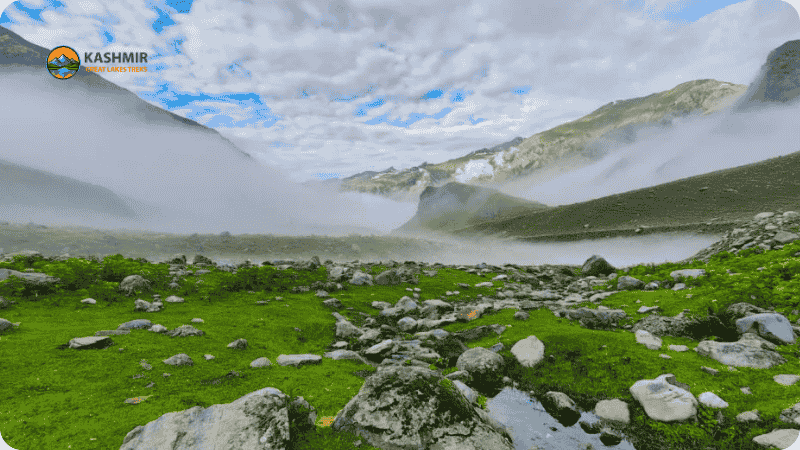
Kashmir, often called “Paradise on Earth,” offers some of the most spectacular trekking experiences in the Indian Himalayas. Nestled in the northernmost region of India, this land of pristine alpine meadows, crystal-clear lakes, snow-capped peaks, and ancient glaciers provides trekkers with an unparalleled combination of natural beauty and cultural richness.
The Allure of Kashmir Trekking
The Kashmir Valley and its surrounding regions present a diverse range of trekking opportunities that cater to everyone from beginners taking their first steps into the mountains to seasoned adventurers seeking challenging high-altitude expeditions. What sets Kashmir apart is not just its stunning landscapes but also the warmth of its people, the rich cultural heritage woven into every trail, and the unique opportunity to witness the confluence of different ecosystems within relatively short distances.
The trekking season in Kashmir typically runs from late May to early October, with each period offering distinct experiences. Summer months (June to August) bring lush green meadows carpeted with wildflowers, while September and early October offer crisp autumn colors and clearer skies perfect for mountain photography.
Popular Kashmir Trekking Routes
The Great Lakes Trek (Kashmir Great Lakes)
Considered one of India’s most beautiful treks, the Kashmir Great Lakes trek takes you through a necklace of seven pristine alpine lakes set against dramatic mountain backdrops. This moderate to challenging trek typically spans 7-8 days and reaches altitudes of approximately 13,750 feet.
The journey begins from Sonamarg and winds through verdant meadows, passes like Nichnai and Gadsar, and showcases lakes including Vishansar, Krishansar, Gadsar, Satsar, and Gangbal. Each lake possesses its own character—from the twin lakes of Vishansar and Krishansar reflecting the surrounding peaks to the deep turquoise waters of Gadsar nestled in a rocky amphitheater.
Trekkers traverse through changing landscapes, from dense pine forests to vast meadows where local Gujjar and Bakarwal shepherds graze their flocks during summer months. The cultural interactions with these nomadic communities add depth to the trekking experience.
Tarsar Marsar Trek
This stunning trek leads to two alpine lakes—Tarsar and Marsar—that offer contrasting yet equally mesmerizing beauty. Starting from Aru Valley near Pahalgam, this moderate trek takes approximately 5-6 days and reaches altitudes around 13,500 feet.
Tarsar Lake, shaped like a giant teardrop, presents an expansive emerald-green water body surrounded by wildflower meadows. Marsar, reached via a challenging climb over rocky terrain, sits in a more dramatic setting with steep mountain walls rising on three sides. The lakes are separated by a mountain ridge, and the trek offers opportunities to explore both.
The trail passes through thick pine and birch forests, crosses bubbling streams, and opens into vast meadows that become a riot of colors during the flowering season. The camping sites, particularly at Lidderwat and Sundersar, provide spectacular sunrise and sunset views.
Kolahoi Glacier Trek
For those seeking a more challenging adventure, the Kolahoi Glacier trek offers an intimate encounter with one of Kashmir’s most prominent glaciers. Mount Kolahoi, standing at 17,799 feet, is often called the “Goddess of Light” and dominates the skyline throughout this trek.
Starting from Aru Valley, this 6-7 day trek gradually ascends through diverse terrain. Trekkers walk alongside the Lidder River, pass through shepherds’ camps, and eventually reach the snout of the glacier. The final approach to the glacier involves navigating through moraine fields and requires good physical fitness.
The trek provides opportunities to spot Himalayan wildlife including marmots, snow cocks, and occasionally, the Himalayan brown bear from a safe distance. The views of Mount Kolahoi, particularly during sunrise when the peak glows in golden light, create unforgettable memories.
Gangabal Lake Trek
Gangabal, considered sacred by both Hindus and Muslims, sits at the foot of Mount Harmukh (16,870 feet). This moderately challenging trek can be completed in 4-5 days starting from Naranag village.
The pristine waters of Gangabal are believed to be fed directly by the Harmukh glacier, making the lake exceptionally clear. The trek involves crossing the Trunkol Pass, which offers panoramic views of the surrounding peaks. Near Gangabal lies the smaller Nundkol Lake, and together they form a stunning high-altitude lake system.
Pilgrims visit Gangabal during the annual mela in August, adding a spiritual dimension to the trekking experience. The trek combines natural beauty with cultural significance, making it a holistic Himalayan adventure.
Sonmarg to Vishansar and Krishansar
For trekkers with limited time, this shorter 3-4 day trek from Sonamarg to the twin lakes of Vishansar and Krishansar provides a taste of Kashmir’s alpine beauty without the commitment of longer expeditions.
The trail leads through Nichnai Pass, offering views of numerous peaks including Mount Harmukh. The twin lakes, sitting side by side at different elevations, create a spectacular setting for camping. The meadows surrounding these lakes transform into vast carpets of wildflowers during July and August.
Flora and Fauna of Kashmir Treks
Kashmir’s trekking trails pass through multiple ecological zones, each supporting distinct plant and animal communities. The lower elevations feature dense coniferous forests dominated by pine, deodar, and fir trees. As altitude increases, these give way to birch and maple forests before opening into alpine meadows.
The meadows, locally called “margs,” burst into color during summer with wildflowers including blue poppies, primulas, potentillas, geraniums, and countless other species. These high-altitude grasslands provide crucial grazing grounds for the livestock of nomadic communities.
Wildlife encounters, while not guaranteed, add excitement to Kashmir treks. Himalayan marmots are commonly spotted in rocky areas, their distinctive whistles echoing across valleys. Brown bears inhabit these regions but are generally elusive and avoid human contact. Bird enthusiasts can spot species like the Himalayan monal, snow partridge, golden eagles, and various species of finches and thrushes.
Cultural Dimensions of Kashmir Trekking
Trekking in Kashmir provides unique opportunities to interact with local communities, particularly the Gujjar and Bakarwal shepherds who practice transhumance, moving their flocks to high-altitude pastures during summer months.
These nomadic communities have developed sustainable relationships with the mountain environment over generations. Trekkers often encounter their temporary settlements, called “doks,” where families live in traditional wooden and canvas shelters while tending their sheep and goats. Sharing tea with shepherds and learning about their lifestyle adds cultural richness to the physical adventure.
Villages at trek starting points, such as Aru, Pahalgam, Sonamarg, and Naranag, showcase Kashmir’s architectural traditions with wooden houses, ancient temples, and mosques. The local cuisine, including dishes like rajma-chawal, dum aloo, and the ubiquitous kahwa (traditional green tea), provides fuel and cultural immersion for trekkers.
Guided Trekking: Why Choose Professional Services
While Kashmir’s natural beauty is accessible, guided trekking services offer significant advantages, particularly for those unfamiliar with the region or high-altitude trekking.
Safety and Navigation: Professional guides possess intimate knowledge of trails, weather patterns, and potential hazards. They can navigate safely even when trails are unclear or weather deteriorates. Their experience in assessing individual fitness levels and adjusting itineraries accordingly helps prevent altitude-related issues.
Logistics and Permits: Kashmir trekking requires various permits and permissions. Professional trekking companies handle these bureaucratic requirements, allowing trekkers to focus on the experience. They also manage transportation from Srinagar to trailheads and back.
Equipment and Camping: Quality trekking companies provide well-maintained camping equipment including tents, sleeping bags, and sleeping mats suitable for mountain conditions. They establish organized camps with toilet facilities and ensure Leave No Trace principles are followed.
Support Staff and Services: Guided treks include cooks who prepare nutritious meals at altitude, porters or ponies to carry main luggage, and support staff who set up and break down camps. This allows trekkers to walk with light day packs, significantly enhancing the experience.
Local Knowledge and Cultural Insights: Local guides serve as cultural interpreters, explaining the significance of places, facilitating interactions with shepherds and villagers, and sharing stories that bring the landscape to life.
Emergency Preparedness: Professional guides carry first-aid equipment and communication devices, and are trained in wilderness first response. They can arrange emergency evacuations if necessary.
Preparing for Your Kashmir Trek
Physical preparation significantly impacts trekking enjoyment. Kashmir treks, while ranging in difficulty, all involve multiple days of walking with altitude gain. Building cardiovascular endurance through regular walking, jogging, or cycling in the months before your trek proves invaluable. Include hill climbs in your training to simulate trekking conditions.
Altitude acclimatization deserves serious consideration. Most Kashmir treks reach altitudes between 12,000 and 14,000 feet where altitude sickness can affect anyone regardless of fitness level. Guided treks build in acclimatization days, but trekkers should be aware of symptoms including headache, nausea, dizziness, and fatigue. The golden rule is to ascend gradually and communicate any symptoms to your guide immediately.
Essential personal items for Kashmir treks include:
Clothing: Layered clothing systems work best. Include moisture-wicking base layers, insulating mid-layers (fleece or down), and waterproof outer shells. Temperatures can vary dramatically between day and night, and weather can change quickly. Pack warm gloves, a hat, and a sun hat. Good quality trekking boots, already broken in, are essential.
Personal Gear: A comfortable backpack (30-40 liters for day use if porters carry main bags), water bottles or hydration system, headlamp with extra batteries, sunglasses with UV protection, sunscreen and lip balm with high SPF, personal medications, and basic toiletries.
Optional Items: Camera equipment, portable chargers or solar chargers (electricity is unavailable during treks), trekking poles for knee support, personal snacks, and a good book for camp evenings.
Best Time to Trek in Kashmir
Kashmir’s trekking season is relatively short due to snow conditions at high altitudes:
June to Mid-July: Early season brings fresh greenery and flowing streams swollen with snowmelt. Some passes may still have snow patches. Temperatures are moderate, and the weather is generally stable, though occasional rain showers occur.
Mid-July to August: Peak season sees meadows in full bloom with wildflowers. This is the most popular period, meaning trails and campsites may be busier. Monsoon influences can bring afternoon showers, but the Kashmir Himalayas receive less rainfall than other Himalayan regions.
September to Early October: Autumn offers some of the clearest skies and best mountain views. Wildflowers fade but are replaced by autumn colors. Nights become significantly colder. By late October, snowfall begins at higher elevations.
Environmental Responsibility
Kashmir’s pristine mountain environments face increasing pressure from tourism. Responsible trekking practices help preserve these landscapes:
Practice strict Leave No Trace principles. Carry out all non-biodegradable waste, including packaging, batteries, and sanitary items. Use designated toilet areas or follow proper human waste disposal methods. Avoid using soap or shampoo in streams and lakes.
Respect wildlife by maintaining distance and never feeding animals. Human food can harm wildlife and alter natural behaviors. Camp only in designated areas to minimize environmental impact.
Support local communities by hiring local guides and porters, purchasing supplies from local shops, and being respectful of cultural norms. Dress modestly in villages, ask permission before photographing people, and be mindful of religious sensitivities.
Combining Trekking with Kashmir Tourism
Many trekkers extend their Kashmir visits to explore the region’s other attractions. Srinagar, the summer capital, offers houseboats on Dal Lake, Mughal gardens like Shalimar Bagh and Nishat Bagh, and vibrant markets selling handicrafts including pashmina shawls, carpets, and papier-mâché items.
Gulmarg, accessible from Srinagar, features the world’s second-highest cable car, which operates during summer offering spectacular views. Pahalgam serves as both a trekking hub and a destination in itself, with opportunities for riverside walks and visits to nearby attractions like Betaab Valley and Aru Valley.
The town of Sonamarg, literally “meadow of gold,” provides a base for several treks and offers stunning views of the Thajiwas Glacier. The drive from Srinagar to Sonamarg through the Sindh Valley is itself a scenic experience.
Conclusion
Kashmir trekking offers more than physical adventure in beautiful landscapes. It provides opportunities for cultural immersion, personal challenge, and connection with nature in one of the world’s most spectacular mountain regions. From the famous Kashmir Great Lakes to lesser-known trails, each trek reveals different facets of this Himalayan paradise.
Choosing guided trekking services ensures safety, enhances cultural understanding, and supports local communities while allowing trekkers to fully immerse themselves in the experience. Whether you’re seeking a first Himalayan adventure or adding to your collection of mountain experiences, Kashmir’s trails promise memories that last a lifetime.
The combination of natural grandeur, rich cultural heritage, and warm hospitality makes Kashmir a premier destination for Himalayan trekking. As you walk through alpine meadows with snow peaks towering overhead, share tea with nomadic shepherds, and camp beside pristine mountain lakes, you’ll understand why Kashmir has captivated travelers and trekkers for generations.