
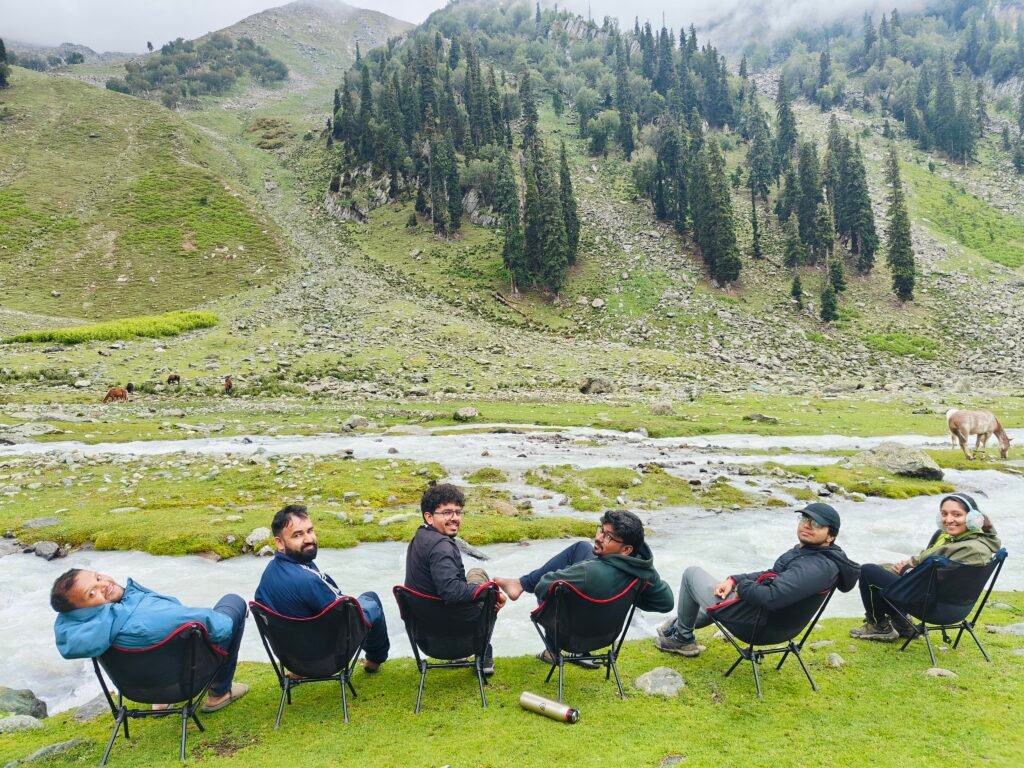
Kashmir, often called “Heaven on Earth,” offers some of the most stunning trekking experiences in the Indian Himalayas. For beginners, the region presents a perfect blend of accessible trails and breathtaking landscapes, featuring alpine lakes, lush meadows, dense forests, and snow-capped peaks. This comprehensive guide covers the best easy to moderate treks in Kashmir that are ideal for first-time trekkers and families.
Best Time for Trekking in Kashmir
The prime trekking season in Kashmir runs from June to September. During these months, the weather remains pleasant, meadows burst into bloom with wildflowers, and alpine lakes display their brilliant blue colors. The Pir Panjal range blocks monsoon clouds from reaching the Kashmir Valley, ensuring dry and comfortable trekking conditions even during India’s traditional monsoon season.
Temperature ranges:
- June-July: Day: 20-25°C | Night: 2-5°C
- August-September: Day: 15-20°C | Night: 2-4°C
Top Easy to Moderate Treks for Beginners
1. Tulian Lake Trek
Duration: 3-4 days
Distance: 32 km (round trip)
Maximum Altitude: 3,685 meters (11,200 feet)
Difficulty: Easy to Moderate
Starting Point: Pahalgam
Tulian Lake is the perfect introduction to Kashmir trekking and is widely regarded as the easiest alpine lake trek in the region. The trek offers magnificent views with relatively shorter walking days compared to other Kashmir treks.
Highlights:
- Unique figure-eight shaped turquoise lake surrounded by snow-capped peaks
- Dense forests of pine, fir, chir, and spruce trees with European-like vegetation
- Floating ice chunks on the lake surface even in summer
- Verdant meadows dotted with wildflowers
- Gujjar shepherd settlements and their hospitality
- Spectacular Pir Panjal range views
Trek Route:
- Day 1: Drive from Srinagar to Pahalgam, then trek to Deno Valley (4.5 km)
- Day 2: Trek from Deno Valley to Tulian Valley (4 km through forest)
- Day 3: Trek to Tulian Lake and back to Tulian Valley (8 km)
- Day 4: Trek back to Pahalgam and drive to Srinagar
Why Perfect for Beginners: The trek features gradual climbs through beautiful forest trails and open meadows. While there’s a steep section near the lake involving boulders and scree, the overall difficulty remains manageable for reasonably fit beginners. The scenic rewards far outweigh the effort required.
Cost: Approximately ₹12,500-17,500 per person for group packages
2. Tarsar Marsar Trek
Duration: 6-7 days
Distance: 48 km
Maximum Altitude: 4,100 meters (13,450 feet)
Difficulty: Moderate
Starting Point: Aru Valley (near Pahalgam)
Often described as one of the prettiest treks in India, Tarsar Marsar takes you to three stunning alpine lakes: Tarsar, Sundarsar, and the mysterious Marsar Lake.
Highlights:
- Three breathtaking alpine lakes with contrasting personalities
- Tarsar Lake: A vast, turquoise gem surrounded by rolling meadows
- Marsar Lake: Hidden 700 feet below a viewpoint, often shrouded in mystical clouds
- Sundarsar Lake: A smaller, intimate lake en route
- Lidderwat’s lush valley with grazing ponies
- Shekhawas and Jagmargi meadows carpeted with wildflowers
- Gradual climbs allowing proper acclimatization
Why Suitable for Beginners: Despite being classified as moderate, this trek is beginner-friendly due to its gradual ascents, well-defined trails, and ample time for acclimatization. Walking through vast meadows between lakes makes the journey less strenuous than other high-altitude treks. The spectacular scenery provides constant motivation.
Best Time: July to September (meadows in full bloom)
3. Naranag Mahlish Trek
Duration: 6 days
Maximum Altitude: 3,800 meters (12,467 feet)
Difficulty: Easy to Moderate
Starting Point: Naranag (Ganderbal district)
This lesser-known gem offers a captivating experience throughout the year and leads to the twin alpine lakes of Gangabal and Nundkol at the base of Mount Harmukh.
Highlights:
- Twin alpine lakes with stunning blue waters
- Dense pine forests and lush green meadows
- Views of the sacred Mount Harmukh (5,142m)
- Ancient Naranag temple ruins
- Suitable for trekkers seeking peaceful, less-crowded trails
Best Time: April to October (accessible longer than most Kashmir treks)
4. Aru Valley Short Treks
Distance: 12 km from Pahalgam
Altitude: 2,500 meters
Difficulty: Easy
Duration: 1-2 days
Aru Valley serves as the base camp for several major treks but is also perfect for beginners wanting a gentle introduction to trekking.
Activities:
- Easy walks through picturesque meadows
- Camping by the Aru stream
- Horse riding experiences
- Photography opportunities with stunning mountain backdrops
- Day hikes to nearby viewpoints
Why Perfect for Families: The flat terrain, short distances, and availability of basic facilities make Aru Valley ideal for families with children or seniors wanting to experience Kashmir’s beauty without challenging climbs.
5. Thajiwas Glacier Trek
Distance: 3 km from Sonamarg
Duration: 1.5 hours (one way)
Altitude: 2,730 meters
Difficulty: Easy
Best Time: April to October
This is one of the shortest and most accessible treks in Kashmir, perfect for absolute beginners.
Highlights:
- Accessible glacier views without technical climbing
- Beautiful meadows and streams
- Snow even during summer months
- Pony rides available for non-trekkers
- Ideal for half-day excursions
6. Gulmarg Day Treks
Difficulty: Easy to Moderate
Starting Point: Gulmarg
Khilanmarg Trek (5 km):
- Easy meadow walk from Gulmarg
- Panoramic views of Nanga Parbat
- Spring wildflowers (April-June)
- Can be combined with gondola ride
Alpathar Lake Trek (13 km from Khilanmarg):
- Moderate difficulty
- High-altitude lake surrounded by peaks
- Usually frozen until late June
- Full-day trek requiring good fitness
Ningle Nallah:
- Scenic valley with streams
- Easy walk suitable for all ages
- Popular picnic spot
Essential Preparation for Beginners
Physical Fitness
While these treks are beginner-friendly, basic fitness preparation enhances your experience:
- 4-6 weeks before: Start daily 30-45 minute walks
- 3-4 weeks before: Include stair climbing and incline walking
- 2 weeks before: Practice with a loaded backpack (5-7 kg)
- Focus on cardiovascular endurance over strength training
What to Pack
Clothing (Layering is Key):
- Base layer: Thermal innerwear
- Mid layer: Fleece jacket or down jacket
- Outer layer: Waterproof and windproof jacket
- Trekking pants (quick-dry)
- 3-4 pairs of moisture-wicking socks
- Warm gloves, beanie, and sun hat
- Sunglasses (UV protection)
Footwear:
- Sturdy, broken-in trekking shoes with good ankle support
- Camp shoes or sandals for evening
Essential Gear:
- 40-50L backpack with rain cover
- Water bottles (2 liters capacity)
- Trekking poles (highly recommended for stability)
- Headlamp with extra batteries
- Personal toiletries and quick-dry towel
- Sunscreen (SPF 50+) and lip balm
- First-aid kit including altitude sickness medication
- Valid government-issued ID (mandatory)
Electronics:
- Power bank (20,000 mAh recommended)
- Camera with extra batteries
- Note: Prepaid mobile connections from outside J&K won’t work; consider postpaid
Permits and Documentation
- Indian nationals: Generally no permits required for most treks, but carry original ID proof
- Foreign nationals: Must register at local police stations (Pahalgam, Sonamarg, etc.)
- Book through registered trek operators who can assist with formalities
- Certain sensitive areas may require special permits
Health and Safety Tips
Altitude Acclimatization
- Never rush: Spend at least one day acclimatizing in Srinagar (1,585m) or Pahalgam (2,200m)
- Ascend gradually: Follow the “climb high, sleep low” principle
- Stay hydrated: Drink 3-4 liters of water daily
- Recognize symptoms: Headache, nausea, dizziness indicate altitude sickness
- Descend if needed: Don’t ignore severe symptoms
General Safety
- Always trek with registered guides or organized groups
- Inform family/friends of your itinerary
- Follow trail markers and don’t take shortcuts
- Respect local culture and environment (carry back all waste)
- Check weather forecasts before starting
- Start early to avoid afternoon weather changes
- Use trekking poles for stability on steep/slippery sections
Why Choose Kashmir for Your First Trek
- Gradual Introductions: Many treks offer moderate climbs with stunning rewards, building confidence without overwhelming beginners
- Natural Beauty: Every trail showcases Kashmir’s diverse landscapes—from dense forests to open meadows to pristine lakes
- Cultural Experience: Interact with Gujjar shepherds, learn about their nomadic lifestyle, and enjoy traditional Kashmiri hospitality and Kahwa (green tea)
- Dry Trekking Season: The Pir Panjal range blocks monsoon rains, ensuring comfortable trekking when other Himalayan regions face heavy rainfall
- Variety of Options: From easy day hikes to moderate multi-day expeditions, Kashmir offers trails for every fitness level
- Accessible Base Camps: Well-connected towns like Srinagar, Pahalgam, and Sonamarg serve as comfortable base camps with hotels and facilities
Recommended Trek Operators
Choose certified and experienced operators for safe trekking experiences:
- Indiahikes
- Himalaya Shelter
- Trek Kashmir
- Wildfloc Adventures
- Kashmir Mountain Adventures
- Bikat Adventures
Look for operators providing: experienced guides, quality camping equipment, proper meals, first-aid trained staff, comprehensive insurance, and small group sizes.
Cost Considerations
Budget estimates for 3-7 day treks (per person):
- Group packages: ₹12,500 – ₹20,500
- Private customized treks: ₹15,000 – ₹30,000
Included typically:
- All meals during trek
- Camping equipment and tents
- Guides and support staff
- Forest permits
- Transportation from base camp
Excluded typically:
- Srinagar accommodation
- Personal trekking gear
- Travel insurance
- Tips for staff
Final Tips for First-Time Trekkers
- Start small: Choose Tulian Lake or Aru Valley for your first trek rather than jumping to longer expeditions
- Listen to your body: Take breaks when needed; trekking isn’t a race
- Embrace the journey: Focus on experiences rather than just reaching destinations
- Learn basic skills: Practice setting up tents, using trekking poles, and reading maps before your trek
- Connect with nature: Kashmir’s trails offer opportunities for introspection and peace—embrace the silence
- Be environmentally responsible: Follow Leave No Trace principles; pack out everything you pack in
- Stay flexible: Weather in mountains is unpredictable; be prepared for itinerary changes
- Enjoy the community: Fellow trekkers often become lifelong friends; be open to connections
Conclusion
Kashmir’s easy to moderate treks provide the perfect gateway to Himalayan trekking for beginners. With proper preparation, appropriate fitness levels, and guidance from experienced operators, these trails offer unforgettable experiences combining natural beauty, physical challenge, and cultural immersion. Whether you choose the beginner-friendly Tulian Lake trek or the slightly more challenging Tarsar Marsar, Kashmir’s trails promise to leave you with memories that last a lifetime and a deeper connection with the mountains.
Start with one of these treks, build your confidence and experience, and you’ll soon be ready to explore more challenging Himalayan adventures. The mountains are calling—answer with your first step into the magical landscape of Kashmir!