
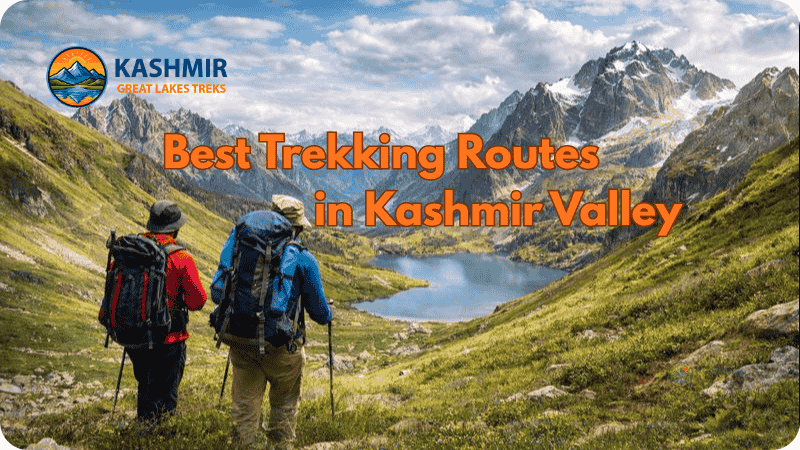
The Kashmir Great Lakes Trek consistently ranks among India’s most spectacular high-altitude treks, and for good reason. This journey through the heart of the Kashmir Himalayas offers an experience that transcends ordinary trekking—it’s a transformative adventure that combines natural grandeur, cultural richness, physical challenge, and spiritual rejuvenation. Whether you’re a seasoned trekker or embarking on your first Himalayan adventure, here are the compelling reasons why the Kashmir Great Lakes Trek deserves a place at the top of your bucket list.
1. Encounter Seven Pristine Alpine Lakes
A Constellation of Himalayan Jewels
The defining feature of this trek is the extraordinary collection of high-altitude alpine lakes you’ll encounter. Unlike most Himalayan treks that feature one or two lakes, this route takes you past seven major lakes, each with its unique character, color, and setting. These glacial lakes—Vishansar, Krishansar, Gadsar, Satsar (actually a group of seven interconnected lakes), Gangbal, and Nundkol—create a mesmerizing journey from one aquatic wonder to another.
Each lake presents a different personality. Vishansar gleams deep blue against rolling meadows. Gadsar, the “Lake of Flowers,” sits in a rocky amphitheater surrounded by seasonal wildflower carpets. The Satsar constellation offers intimate, interconnected water bodies that shimmer like scattered sapphires. Gangbal and Nundkol, the twin sacred lakes, rest majestically beneath the towering Harmukh Peak, creating perhaps the most spiritually moving landscape in the entire Himalayas.
The turquoise and emerald hues of these pristine waters, fed by glacial melt and mountain springs, create photography opportunities that are simply unmatched. Sunrise and sunset transform the lakes into mirrors reflecting the surrounding peaks in shades of gold, pink, and purple. The absolute clarity of the water allows you to see deep into the lakes, revealing the rocky beds and occasional fish that inhabit these cold mountain waters.
Camping Beside Sacred Waters
What makes this trek extraordinary is not just seeing these lakes but camping beside them. Imagine waking up to the gentle lapping of lake waters, stepping out of your tent to see the first light illuminating snow-capped peaks reflected in crystal-clear waters, and spending evenings watching stars multiply across the vast Himalayan sky, their light dancing on the lake’s surface. This intimate connection with these alpine sanctuaries creates memories that stay with you forever.
2. Witness the Finest Alpine Meadows in the Himalayas
Rolling Carpets of Emerald Green
The Kashmir Great Lakes trek region is renowned for having some of the most spectacular alpine meadows in the entire Himalayan range. These vast, undulating grasslands, known locally as “margs,” stretch for miles, creating a landscape that feels like walking through a dream. The meadows are not flat—they roll with the contours of the mountains, creating waves of green that rise and fall, dotted with wildflowers and framed by distant peaks.
During the trekking season (July to September), these meadows transform into botanical gardens. Depending on when you trek, you’ll encounter spectacular displays of wildflowers—blue poppies, Himalayan edelweiss, potentillas, forget-me-nots, primulas, and countless other species create a riot of color across the grasslands. The sight of these flower-carpeted meadows extending to the horizon, with shepherd settlements dotting the landscape and horses grazing peacefully, creates scenes of pastoral perfection.
A Sense of Boundless Freedom
Walking through these meadows provides a unique trekking experience. Unlike forested trails or rocky mountain paths, the alpine meadows offer expansive views in all directions and a sense of boundless freedom. You can see for miles, watch weather systems move across distant valleys, and experience the sheer scale of the Himalayan landscape. The gentle terrain of the meadows also provides welcome relief between the more challenging passes, allowing you to absorb the beauty at a relaxed pace.
3. Cross Spectacular High-Altitude Passes
The Thrill of High Passes
The trek features several significant mountain passes, with Gadsar Pass at 13,750 feet being the highest and most dramatic. Crossing high passes represents both a physical challenge and a moment of triumph. The climb tests your endurance and determination, while the summit offers a profound sense of accomplishment and rewards you with breathtaking 360-degree panoramas.
Standing atop Gadsar Pass, you’re surrounded by an ocean of peaks stretching in every direction. The views encompass multiple valleys, distant glaciers, and the azure lakes both behind and ahead of you. The wind, the thin air, the vast emptiness, and the overwhelming beauty combine to create moments of pure exhilaration that define high-altitude trekking.
The Nichnai Pass Experience
Nichnai Pass, crossed early in the trek, provides your first taste of high-altitude crossing and serves as an excellent introduction to pass navigation. The climb through increasingly sparse vegetation, the final rocky ascent, and the sudden revelation of the valleys beyond create a pattern that repeats with variations throughout the trek. Each pass has its own character—some grassy, others rocky, some gradual, others steep—but all share that magical moment when you crest the ridge and the world transforms before your eyes.
4. Experience Living Pastoral Traditions
Meet the Nomadic Shepherds
One of the most culturally enriching aspects of this trek is the opportunity to encounter Gujjar and Bakarwal nomadic shepherd communities who migrate to these high pastures each summer with their livestock. These communities have maintained their traditional pastoral lifestyle for centuries, and meeting them provides a window into a way of life that has remained largely unchanged despite the modern world’s encroachment.
The shepherds live in temporary settlements called “deras”—simple structures made from canvas, wood, and whatever materials the mountain provides. Families live together, children play in the meadows, women cook over open fires, and men tend to the animals. The hospitality of these mountain people is legendary. Many trekkers are invited for tea, offered fresh yogurt or milk, and welcomed with genuine warmth despite language barriers.
Learning Ancient Mountain Wisdom
Interactions with shepherd communities offer lessons in resilience, sustainability, and contentment. These people possess encyclopedic knowledge of the mountains—weather patterns, medicinal plants, animal behavior, and survival skills refined over generations. Their deep connection to the landscape, their ability to read nature’s signs, and their contentment with a simple life provide profound lessons for modern travelers often caught in complexity and materialism.
Watching shepherds work with their animals demonstrates skills and patience developed over lifetimes. The way they navigate terrain, manage large flocks, and live in harmony with harsh mountain conditions commands respect. For many trekkers, these encounters become highlights of the journey, reminding us of different ways of being in the world.
5. Challenge Yourself Physically and Mentally
A Perfectly Balanced Challenge
The Kashmir Great Lakes Trek offers a moderate to challenging difficulty level that makes it accessible to determined first-time high-altitude trekkers while still providing sufficient challenge for experienced mountaineers. The trek requires good fitness but doesn’t demand technical climbing skills, making it an ideal introduction to Himalayan trekking or a satisfying adventure for those seeking beauty over extreme difficulty.
The daily trekking distances range from 9 to 15 kilometers, with cumulative altitude gains and losses that provide genuine physical challenge without being overwhelming. You’ll push your limits, experience fatigue, and test your endurance, but the gradual acclimatization profile and rest days mean that most reasonably fit individuals can complete the trek successfully.
Mental Fortitude and Personal Growth
Beyond physical challenge, high-altitude trekking develops mental strength. Managing discomfort, pushing through fatigue, dealing with unpredictable weather, and maintaining positivity when things get difficult builds resilience and self-confidence. Many trekkers describe the Kashmir Great Lakes journey as transformative—a experience that shows them capabilities they didn’t know they possessed.
The trek also offers opportunities for introspection and self-discovery. Days spent walking through stunning landscapes, nights under star-filled skies, and the simplicity of mountain life create space for reflection. Away from digital distractions and daily routines, many people find clarity, perspective, and renewed appreciation for life’s fundamentals.
6. Photograph Some of India’s Most Stunning Landscapes
A Photographer’s Paradise
From a photography perspective, the Kashmir Great Lakes Trek is simply unparalleled in India. Every day presents new compositions—mirror-like lake reflections, wildflower-studded meadows, dramatic mountain passes, shepherd settlements, grazing horses, colorful prayer flags, and endless variations of light on water and peaks.
The quality of light in the high Himalayas is exceptional. The thin atmosphere creates incredibly clear views, vibrant colors, and dramatic contrasts. Early mornings bring soft golden light that illuminates peaks while valleys remain in shadow. Late afternoons offer warm tones that make the meadows glow. Sunsets paint the lakes in shades of orange and purple. Nighttime reveals the Milky Way in stunning clarity rarely visible elsewhere.
Capturing Moments and Memories
Whether you’re a serious photographer with professional equipment or simply capturing memories on your smartphone, this trek provides endless opportunities. The challenge becomes selecting from thousands of potential shots rather than finding subjects worth photographing. The landscapes are so spectacular that even amateur photographers return with portfolio-worthy images.
Beyond landscapes, there are opportunities for cultural photography—portraits of shepherds (always ask permission), candid shots of camp life, details of mountain flowers, and documentary-style images of the journey. These photographs become treasured memories, conversation starters, and inspiration for future adventures.
7. Escape the Chaos and Find Solitude
Disconnect to Reconnect
In our hyper-connected modern world, the Kashmir Great Lakes Trek offers a rare opportunity for complete digital detachment. Mobile connectivity is absent for most of the trek, and the remote mountain environment ensures you’re truly away from urban chaos, work pressures, and information overload.
This forced disconnection becomes liberating. Without constant phone notifications, social media updates, or work emails, you’re free to be completely present in each moment. The simple rhythm of mountain life—wake with sunrise, walk through beautiful landscapes, rest when tired, sleep when dark—reconnects you with natural cycles and basic human needs.
Finding Peace in Pristine Wilderness
The remoteness of the trek means you’re traveling through largely untouched wilderness. Unlike popular tourist destinations, these mountains retain their pristine quality. The air is pure, the silence profound, and the sense of being in a wild, protected place is palpable. This wilderness experience offers psychological and spiritual benefits that are increasingly recognized as essential for human wellbeing.
For those seeking solitude and introspection, the trek provides ample opportunity. While you’re traveling with a group or guide, there are many moments—walking at your own pace, sitting alone by a lake, watching sunrise from your tent—when you can enjoy complete solitude in one of earth’s most beautiful settings.
8. Witness Spectacular Weather Phenomena
The Drama of Mountain Weather
The Kashmir Great Lakes region experiences dramatic and beautiful weather patterns that add another dimension to the trekking experience. The interplay of clouds, sun, rain, and occasionally snow creates ever-changing atmospheric conditions that transform landscapes throughout the day.
Morning fog often fills valleys, creating mystical scenes as you climb to passes. Clouds sweep across meadows in waves, their shadows racing across the grass. Afternoon thunderstorms bring dramatic skies and the smell of rain on mountain earth. Post-storm clearings reveal freshly snow-dusted peaks and incredibly crisp visibility. Rainbows arc over lakes with stunning frequency.
Star-Filled Himalayan Nights
The nighttime sky in these high mountains is extraordinary. Far from light pollution and blessed with clear, thin atmosphere, the stars appear in overwhelming numbers. The Milky Way stretches across the sky like a luminous river. Shooting stars are common. During new moon phases, the star light is sufficient to cast shadows.
Many trekkers describe stargazing from their lakeside camps as among the most memorable experiences of the trek. Lying on your back beside a mountain lake, watching satellites pass overhead, identifying constellations, and contemplating the vastness of space creates moments of profound wonder and perspective.
9. Experience Kashmir’s Unique Cultural Heritage
A Window into Kashmiri Culture
While the high mountains are somewhat removed from Kashmiri population centers, the trek still offers insights into Kashmir’s rich cultural heritage. Local guides share stories, folklore, and traditions. The food prepared by Kashmiri cooks introduces you to the region’s distinctive cuisine. The warm hospitality of Kashmiri people, despite the region’s troubled recent history, leaves lasting impressions.
Understanding something of Kashmir’s complex history, cultural richness, and contemporary challenges adds depth to the trekking experience. Many visitors develop an appreciation for Kashmir beyond its scenic beauty, recognizing the resilience and warmth of its people and the importance of supporting peace and prosperity in the region.
Sacred Geography and Spiritual Connection
The trek’s spiritual dimensions—passing by sacred lakes, camping near pilgrimage sites, and walking in the shadow of Mount Harmukh—connect you with India’s profound spiritual traditions. Even for non-religious trekkers, there’s something moving about experiencing landscapes that have been venerated for millennia.
The sense of sacred geography, the stories associated with various lakes and peaks, and the visible devotion of pilgrims and shepherds create an atmosphere that invites contemplation and respect. Many trekkers find themselves experiencing a sense of reverence for these mountains that transcends religious tradition—a recognition of something profound in these landscapes.
10. Build Lasting Friendships and Shared Memories
The Brotherhood and Sisterhood of the Trail
Trekking creates unique bonds between people. Sharing challenging experiences, supporting each other through difficult moments, celebrating together at pass crossings, and gathering around campfires in the evening creates friendships that often last long after the trek ends.
There’s something about enduring hardship together, being vulnerable with each other (everyone looks rough after a week without proper bathing!), and experiencing extraordinary beauty as a group that breaks down social barriers and creates genuine connections. Many trekkers stay in touch with their trek mates for years, reuniting for future adventures and maintaining friendships forged in the mountains.
Stories Worth Telling
The Kashmir Great Lakes Trek provides experiences and stories that you’ll share for the rest of your life. Whether it’s the morning you witnessed sunrise over Gangbal, the afternoon thunderstorm you weathered at Satsar, the shepherd family who invited you for tea, or the moment you finally crested Gadsar Pass—these stories become part of your personal narrative.
These aren’t just vacation memories; they’re transformative experiences that shape how you see yourself and the world. They become touchstones you return to when facing challenges, sources of inspiration when feeling stuck, and reminders of what you’re capable of achieving.
11. Support Local Communities Through Responsible Tourism
Economic Impact and Empowerment
Choosing to trek in Kashmir directly supports local communities who depend on tourism for their livelihoods. Guides, porters, cooks, horsemen, and their families benefit economically from trekking tourism. This income supports education, healthcare, and improved living conditions in mountain communities with limited economic opportunities.
Responsible tourism also empowers local communities, particularly women and marginalized groups, by creating employment opportunities and recognizing the value of traditional knowledge and skills. By trekking with local operators and engaging respectfully with communities, you contribute to positive economic and social development.
Contributing to Peace and Stability
Tourism in Kashmir also sends an important message of normalcy and peace. Visitors who return with positive experiences and share their stories help counter negative stereotypes about the region. This can encourage further tourism, create incentives for maintaining peace, and demonstrate that Kashmir’s natural and cultural heritage has value that transcends conflict.
12. Perfect Introduction to High-Altitude Trekking
Ideal for First-Timers
For those aspiring to Himalayan trekking but unsure where to start, the Kashmir Great Lakes Trek is nearly perfect. The moderate difficulty, excellent acclimatization profile, stunning scenery, cultural richness, and relatively short duration make it an ideal first high-altitude trek.
Success on this trek builds confidence for more challenging Himalayan adventures. You’ll learn essential skills—pace management, altitude acclimatization, camping routines, cold weather management—in a supportive environment. Many trekkers who complete this journey go on to attempt more challenging routes, armed with experience and confidence gained here.
Rewarding for Experienced Trekkers
Even for experienced Himalayan trekkers, this route offers immense rewards. The concentration of alpine lakes is unique, the meadows are among the finest in the Himalayas, and the overall beauty rivals or exceeds more famous treks. Experienced trekkers appreciate the trek’s ability to deliver extraordinary experiences without extreme difficulty or lengthy commitments.
13. Seasonal Transformations Create Varied Experiences
Early Season Splendor (July)
Trekking in early July offers the adventure of navigating lingering snow patches, witnessing wildflowers just beginning to bloom, and experiencing fewer crowds. The weather can be unpredictable, adding an element of adventure. Snow-covered passes create more dramatic landscapes and provide unique photographic opportunities.
Peak Season Beauty (August)
August represents the peak of the trekking season when meadows are in full bloom, weather is most stable, and trails are well-established. The wildflower displays reach their maximum, creating carpets of color across the meadows. Longer days provide extended trekking hours and photography time.
Late Season Serenity (September)
September brings autumn colors, crystal-clear skies after monsoons, cooler temperatures, and fewer trekkers. The landscapes take on golden hues, visibility is exceptional, and there’s a special serenity to the mountains as the season winds down. Late season trekking offers a more intimate, contemplative experience.
14. Achievable Within a Week
Perfect Duration
At approximately seven days, the Kashmir Great Lakes Trek fits perfectly into a standard vacation period. Add a couple of days for travel to and from Kashmir, and you have a complete Himalayan adventure achievable within a typical two-week break from work.
This makes the trek accessible to working professionals, students during semester breaks, or anyone with limited vacation time. You don’t need to commit months to experience a genuine high-altitude Himalayan adventure. The relatively short duration also means less time away from family and lower overall costs compared to longer expeditions.
Comprehensive Experience
Despite the relatively short duration, the trek provides a comprehensive Himalayan experience. You’ll encounter diverse landscapes, cross significant passes, camp beside multiple lakes, interact with local communities, experience altitude, and face genuine physical challenges. It’s remarkable how much the trek packs into seven days.
15. Create a Profound Sense of Accomplishment
Personal Achievement
Completing the Kashmir Great Lakes Trek represents a significant personal achievement. You’ll have walked over 70 kilometers through challenging mountain terrain, crossed multiple high passes, camped at altitudes exceeding 12,000 feet, and tested your physical and mental limits. This accomplishment builds self-confidence and provides a sense of pride that extends beyond the trek itself.
Many people discover capabilities they didn’t know they possessed. The person who completes this trek is often different from the person who started it—stronger, more confident, more aware of their resilience and potential.
A Transformative Journey
Beyond physical achievement, this trek often proves transformative in deeper ways. The combination of natural beauty, physical challenge, cultural encounters, and time for reflection creates conditions for personal growth and perspective shifts. Many trekkers return with renewed clarity about their priorities, greater appreciation for life’s simple pleasures, and a different understanding of what truly matters.
The mountains have a way of stripping away pretense and revealing what’s essential. The Kashmir Great Lakes Trek provides a perfect setting for this kind of transformative experience—beautiful enough to inspire awe, challenging enough to test limits, and remote enough to encourage genuine introspection.
Conclusion: An Invitation to the Himalayas
The Kashmir Great Lakes Trek offers an extraordinary combination of natural beauty, cultural richness, physical challenge, and personal growth opportunities. Whether you’re drawn by the promise of pristine alpine lakes, the allure of high mountain passes, the appeal of authentic cultural encounters, or simply the desire to push your boundaries and experience something extraordinary, this trek delivers.
These mountains have a gift for those willing to make the journey—the gift of perspective, of beauty, of challenge overcome, of connections made, and of memories that will illuminate your life for years to come. The lakes of Kashmir await, reflecting not just the surrounding peaks but also something of whoever gazes into their clear waters. The question isn’t whether this trek is worth experiencing—it absolutely is. The only question is when you’ll answer the call of these magnificent mountains and embark on this journey of a lifetime.