
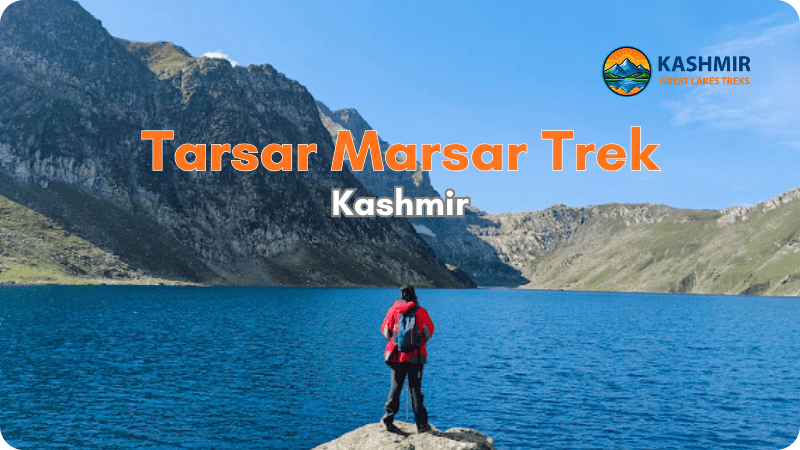
The Tarsar Marsar Trek in Kashmir is a mesmerizing journey through pristine alpine lakes, lush meadows, and snow-capped peaks that showcase the untouched beauty of the Himalayas. This moderate-level trek takes you to two stunning glacial lakes—Tarsar and Marsar—nestled at high altitudes surrounded by rolling meadows and dramatic mountain ranges. Perfect for beginners with reasonable fitness levels, the trek offers an intimate experience with Kashmir’s wilderness while remaining less crowded than the popular Kashmir Great Lakes Trek. Whether you’re seeking tranquility, breathtaking landscapes, or an authentic mountain adventure, the Tarsar Marsar trek delivers an unforgettable Himalayan experience.
Why Choose Tarsar Marsar Trek in Kashmir?
The Tarsar Marsar trek experience stands out as one of Kashmir’s hidden gems, offering trekkers a peaceful escape into nature’s grandeur. The twin alpine lakes—Tarsar with its crystal-clear turquoise waters and Marsar with its emerald-green charm—are the crown jewels of this journey. Unlike the more crowded Kashmir Great Lakes route, this trek provides solitude and intimate encounters with pristine landscapes.
The trek winds through expansive meadows dotted with wildflowers, passes through dense pine forests, and opens up to panoramic views of the Kolahoi glacier. Shepherds with their flocks create postcard-perfect scenes against the backdrop of towering peaks. The Kashmir alpine lake trek offers diverse terrain including grassy valleys, rocky ascents, and serene lakeside campsites that make every day visually distinct and exciting. For photographers and nature enthusiasts, the ever-changing landscapes provide endless opportunities to capture Kashmir’s raw beauty.
Tarsar Marsar Trek Route & Itinerary
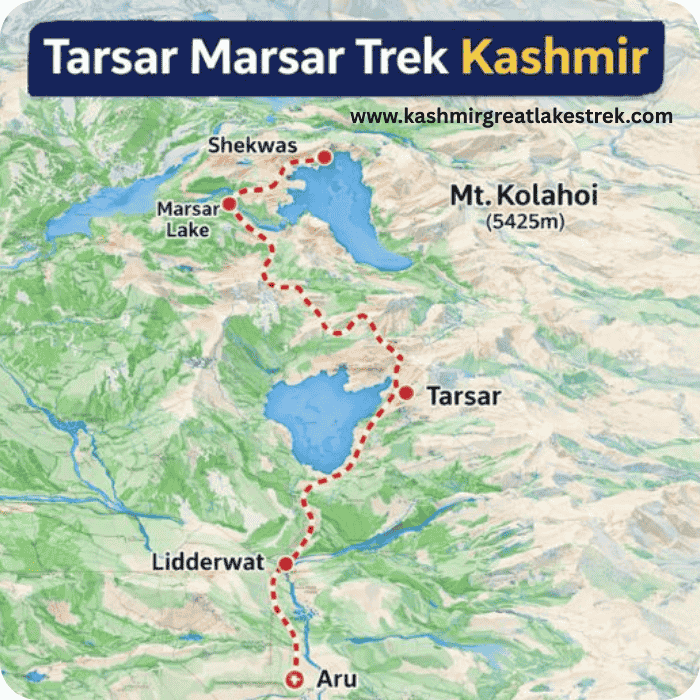
The Tarsar Marsar trek route begins from the picturesque Aru Valley, located approximately 12 kilometers from Pahalgam. Here’s a typical Tarsar Marsar itinerary covering 4-6 days:
Day 1: Aru Valley to Lidderwat – The trek starts with a gentle 9-kilometre walk through pine forests alongside the Lidder River, gaining approximately 500 meters in elevation to reach the Lidderwat meadow camp.
Day 2: Lidderwat to Shekwas – A 7-kilometer ascent through birch forests and alpine meadows, climbing about 600 meters to reach Shekwas, where you get your first glimpses of the surrounding peaks.
Day 3: Shekwas to Tarsar Lake – A scenic 5-kilometer trek through rolling grasslands leads to the magnificent Tarsar Lake at 3,800 meters, where you camp beside the pristine waters.
Day 4: Tarsar to Sundarsar and Marsar Lake – This day involves trekking to the smaller Sundarsar Lake and then crossing a challenging pass to reach the remote Marsar Lake, covering approximately 8 kilometers with significant elevation gain.
Day 5: Return to Shekwas or Lidderwat – Begin the descent back through familiar terrain.
Day 6: Trek back to Aru Valley – Complete the circuit by returning to the base camp.
Tarsar Marsar Trek Distance, Duration & Difficulty
The Tarsar Marsar trek distance covers approximately 48 kilometers round trip from Aru Valley, though this can vary slightly depending on your specific route and side explorations. The trek typically takes 5 to 6 days to complete comfortably, allowing for proper acclimatization and time to soak in the stunning landscapes at each campsite.
The Tarsar Marsar trek difficulty is classified as easy to moderate, making it accessible for first-time high-altitude trekkers with basic fitness. The trail involves gradual ascents with some steep sections, particularly when approaching the lakes and crossing between them. The highest point reaches around 4,100 meters when crossing to Marsar Lake, which requires good acclimatization. Daily trekking hours range from 4 to 7 hours, with well-defined paths for most of the route. While technical climbing skills aren’t necessary, trekkers should be comfortable with uneven terrain and prepared for rapidly changing weather conditions typical of the Kashmir Himalayas.
Best Time to Do Tarsar Marsar Trek
The best time for Tarsar Marsar trek is between June and September when the weather remains relatively stable and the trails are accessible. Each period of the Tarsar Marsar trek season offers distinct experiences.
June to July brings the post-winter bloom with meadows carpeted in colorful wildflowers and some lingering snow patches at higher elevations. The landscapes are lush green, water sources are abundant, and temperatures during the day range from 10°C to 15°C, dropping to 0°C at night near the lakes.
August marks the monsoon period with occasional rainfall, which can make trails muddy but also enhances the greenery. The clouds often create dramatic mountain vistas, though visibility may be reduced on some days.
September is considered the ideal month by many trekkers, offering clear skies, excellent visibility, stable weather, and comfortable trekking temperatures. The meadows begin turning golden, creating stunning photographic opportunities. Early October is also possible but nights become significantly colder, and snowfall can occur unexpectedly at higher altitudes.
Cost of Tarsar Marsar Trek
The Tarsar Marsar trek cost varies depending on whether you choose an organized tour or trek independently. For organized treks with reputable operators, expect to pay between ₹12,000 to ₹18,000 per person for the complete package. This Kashmir trekking cost typically includes transportation from Srinagar to Aru Valley and back, camping equipment including tents and sleeping bags, all meals from dinner on Day 1 to breakfast on the last day, experienced trek guides and support staff, basic first aid, and necessary permits.
Budget trekkers organizing independently can reduce costs to ₹6,000-₹8,000 by arranging their own transportation, carrying personal gear, and hiring local guides from Aru Valley at approximately ₹1,500-₹2,000 per day. Premium packages with better amenities, smaller group sizes, and additional services can cost upwards of ₹20,000-₹25,000.
Cost-saving tips include joining group treks during peak season when operators offer better rates, carrying your own sleeping bag and backpack to avoid rental charges, booking well in advance to access early-bird discounts, and traveling to Srinagar during weekdays when flights and accommodations are cheaper. Sharing equipment costs with fellow trekkers when organizing independently also significantly reduces expenses.
How to Reach Tarsar Marsar Trek Base Camp
Reaching the Tarsar Marsar trek base camp at Aru Valley involves a straightforward journey starting from Srinagar, Kashmir’s summer capital.
By Air: Fly to Sheikh ul-Alam International Airport in Srinagar, which is well-connected to major Indian cities including Delhi, Mumbai, and Bangalore. From the airport, Aru Valley is approximately 100 kilometers away.
By Road from Srinagar: Hire a private taxi (₹3,000-₹4,000) or take a shared cab to Pahalgam (96 kilometers, 2-3 hours). From Pahalgam, Aru Valley is another 12 kilometers, reachable by local taxi (₹500-₹800) or shared jeeps (₹100-₹150 per person). Many trek operators include this transportation in their packages.
Local Transport Tips: Pre-book taxis during peak season as availability can be limited. Shared cabs from Srinagar’s Tourist Reception Center offer economical options. If arriving late in Srinagar, consider spending a night there for acclimatization before heading to Aru Valley. The Aru Valley trek base itself has basic guesthouses and camping facilities where you can stay before starting the trek.
Packing List for Tarsar Marsar Trek
A well-planned Tarsar Marsar trek packing list ensures comfort and safety throughout your journey. These trekking essentials Kashmir include:
Clothing Layers: Start with moisture-wicking base layers including 2-3 full-sleeve t-shirts and thermal innerwear. Add insulating mid-layers like a fleece jacket or down jacket for warmth at higher altitudes. Carry a waterproof and windproof outer shell jacket and rain pants. Pack 2-3 pairs of trekking pants, one pair of warm pants for camp, and 4-5 pairs of moisture-wicking socks.
Footwear & Accessories: Invest in sturdy, waterproof trekking boots with good ankle support and broken-in before the trek. Bring comfortable camp shoes or sandals for evenings. Essential accessories include a warm woolen cap, sun hat or cap, neck warmer or balaclava, sunglasses with UV protection, liner gloves and waterproof gloves, and a 50-60 liter backpack with rain cover.
Essential Gear: Carry a sleeping bag rated for -5°C to -10°C, headlamp with extra batteries, trekking poles for stability, water bottles (2 liters capacity), personal toiletries and quick-dry towel, sunscreen (SPF 50+), lip balm with SPF, personal medications, basic first aid kit, and high-energy snacks. Don’t forget your ID proof, permits, and emergency contact information.
Fitness And Preparation Tips
Proper Tarsar Marsar trek preparation significantly enhances your experience and reduces the risk of altitude-related issues. Begin your fitness for Kashmir trek at least 4-6 weeks before departure.
Cardiovascular Fitness: Focus on building endurance through activities like running, cycling, swimming, or brisk walking for 30-45 minutes, 4-5 times per week. Gradually increase intensity and duration. Practice hiking with a loaded backpack (5-8 kg) on uneven terrain if possible.
Leg Strength Workouts: Include exercises like squats, lunges, step-ups, calf raises, and leg presses to build the muscle strength needed for sustained uphill and downhill walking. Core strengthening exercises improve balance and reduce fatigue.
Acclimatization Tips: Spend at least one day in Aru Valley before starting the trek to adjust to 2,400 meters elevation. Ascend gradually, following the “climb high, sleep low” principle where possible. Stay well-hydrated (3-4 liters daily), avoid alcohol and smoking during the trek, and recognize symptoms of altitude sickness including headache, nausea, dizziness, and fatigue. Inform your guide immediately if experiencing severe symptoms.
Safety Tips & Permits
Understanding Tarsar Marsar trek safety protocols ensures a secure and enjoyable experience in Kashmir’s remote mountains.
Weather Awareness: Mountain weather changes rapidly. Always check forecasts before starting, carry adequate rain gear regardless of predictions, and be prepared to modify plans if conditions deteriorate. Afternoon thunderstorms are common during monsoon months.
Medical & Emergency Tips: Trek with a reputable operator who carries comprehensive first aid supplies and communication equipment. Inform someone outside the trek group about your itinerary. Carry personal medications including those for altitude sickness (Diamox, if prescribed), pain relief, and digestive issues. Mobile networks are unavailable for most of the trek, so satellite phones or emergency communication devices are valuable.
Kashmir Trek Permits: Indian citizens typically don’t require special permits for the Tarsar Marsar trek, but carrying valid photo ID is mandatory. Foreign nationals may need Protected Area Permits (PAP) and should check current requirements with tour operators or the Jammu & Kashmir Tourism Department. Your trek operator usually handles permit arrangements. Always register at forest checkpoints along the route.
Tarsar vs Marsar Lake – What’s the Difference?
The Tarsar lake vs Marsar lake comparison reveals two distinct personalities within the same trek.
Tarsar Lake sits at approximately 3,800 meters in a relatively accessible basin surrounded by gently sloping meadows. Its crystal-clear turquoise-blue waters reflect the surrounding peaks, creating picture-perfect scenes throughout the day. The lake is larger and more open, offering spacious camping grounds along its shores. Sunrise and sunset views here are spectacular, with changing light painting the water in various shades of blue and green. Tarsar is easier to reach and serves as the base camp for most trekkers.
Marsar Lake lies at a slightly higher elevation of approximately 3,900 meters, requiring a challenging traverse through a rocky pass from Tarsar. Smaller and more secluded, Marsar has a wild, untouched character with deeper emerald-green waters. The lake is surrounded by steeper mountainsides and feels more remote and dramatic. The approach to Marsar involves crossing boulder fields and negotiating tricky terrain, making it the more adventurous option.
Which is More Scenic? While personal preferences vary, most trekkers find Tarsar’s accessibility and reflective beauty more photogenic, while Marsar’s rugged isolation appeals to those seeking adventure and solitude. Visiting both lakes in a single trek provides the complete experience, showcasing Kashmir’s alpine diversity.
FAQs About Tarsar Marsar Trek
Is Tarsar Marsar trek safe?
Yes, the Tarsar Marsar trek is considered safe when undertaken with proper preparation, experienced guides, and during the recommended season. The well-defined trails and moderate difficulty level make it safer than many high-altitude Himalayan treks. However, like all mountain adventures, it carries inherent risks including altitude sickness, weather changes, and terrain challenges. Trekking with reputable operators who follow safety protocols significantly minimizes these risks.
Is it suitable for beginners?
Absolutely. The Tarsar Marsar trek is ideal for beginners with basic fitness levels and some prior trekking experience. The gradual ascent profile allows proper acclimatization, and the moderate difficulty doesn’t require technical climbing skills. First-time high-altitude trekkers who prepare adequately and trek during favorable weather conditions typically complete it successfully. However, complete beginners without any trekking experience should consider starting with easier day hikes before attempting multi-day treks.
Can it be done solo?
While experienced trekkers with mountain navigation skills can trek solo, it’s not recommended due to remote locations, limited mobile connectivity, and potential emergencies. The trail is not always clearly marked, particularly between Tarsar and Marsar lakes. Solo trekkers must be self-sufficient with navigation, first aid, and emergency protocols. Most trekkers prefer joining organized groups or hiring local guides from Aru Valley for safety and enhanced experience through local knowledge.
What is the altitude of Tarsar Marsar trek?
The trek starts from Aru Valley at 2,400 meters, reaches Tarsar Lake at 3,800 meters, and attains its maximum altitude of approximately 4,100 meters when crossing the pass to Marsar Lake. The gradual altitude gain over several days helps with acclimatization, making altitude sickness less common compared to treks with rapid elevation changes.
Conclusion
The Tarsar Marsar Trek in Kashmir offers an unparalleled combination of natural beauty, accessible adventure, and cultural immersion in the heart of the Himalayas. From the twin jewels of Tarsar and Marsar lakes to the expansive meadows and warm hospitality of Kashmiri shepherds, every moment on this trek creates lasting memories. Whether you’re a beginner seeking your first high-altitude experience or an experienced trekker looking for solitude away from crowded trails, this journey delivers on all fronts. Remember to trek responsibly by respecting local communities, following Leave No Trace principles, and supporting sustainable tourism practices. With proper preparation and the right season, your Tarsar Marsar adventure will become one of your most cherished mountain experiences. Start planning your Kashmir trek today and discover why these alpine lakes captivate every visitor who makes the journey to their pristine shores.